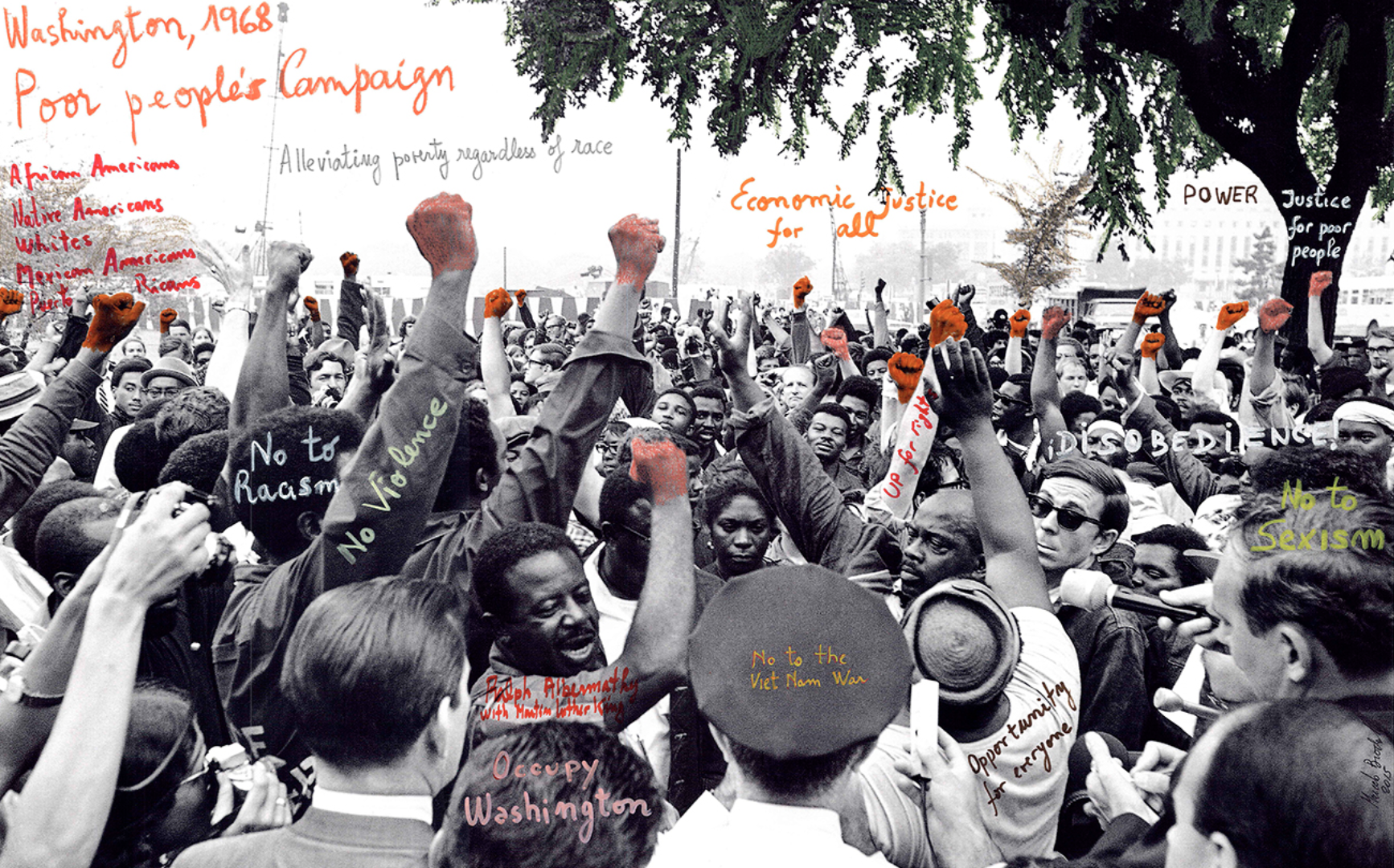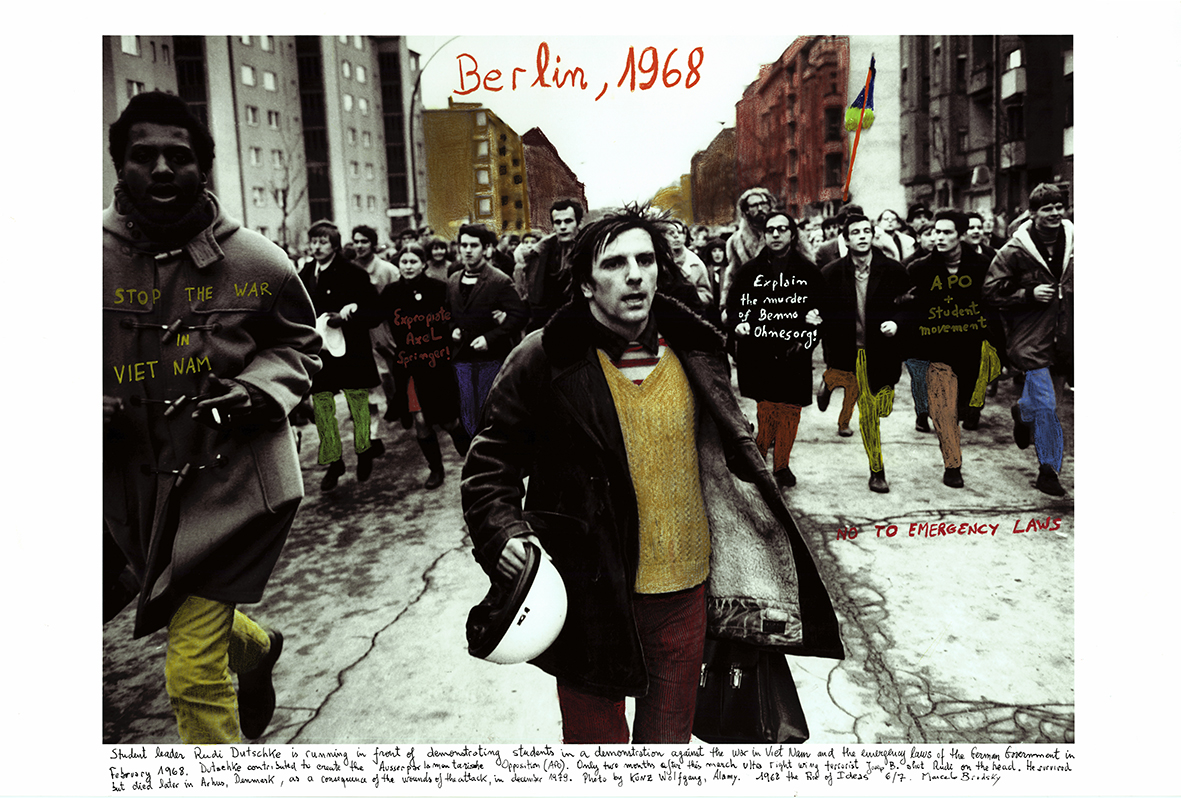
En “1968: El fuego de las ideas” Brodsky presenta movilizaciones estudiantiles y relaciona eventos sucedidos en Argentina con la turbulencia social en todo el mundo a finales de los años sesenta. Los manifestantes estadounidenses que participaron de la Marcha de los Pobres en Washington liderada por Martin Luther King unos meses antes de su asesinato; los manifestantes en Londres en contra de la Guerra de Vietnam; en Bogotá, México, Córdoba, Río de Janeiro y San Pablo, trabajadores y estudiantes haciendo campaña juntos, en contra de los regímenes militares y otros tipos de estructuras de gobierno. Se los muestra con brazos estrechados, con banderas ondulantes y pancartas, ejerciendo una acción urbana masiva para reclamar por sus demandas. Las obras también incluyen extractos de discursos de Martin Luther King, el Che Guevara, Daniel Cohn Bendit, Herbert Marcuse y Agustín Tosco, cuyas ideas y acciones nutrieron a muchos de los manifestantes.

En una pancarta de la manifestación del Mayo Francés de 1968 se muestra, el grito de “L’imagination au pouvoir” (la imaginación al poder). Más que un llamado a “decir la verdad al poder” que sonaba en otras manifestaciones de la época, los parisinos pedían por el fin de todos los límites, incluso en la imaginación.
Brodsky es pragmático y directo. No pretende liberar la imaginación de toda restricción, sino potenciar su uso contra el poder corrupto y brutal. Tanto si nos invita a aprender, y a no olvidar jamás las atrocidades del pasado, nos insta a honrar a los líderes justos y a mantener la presión sobre las autoridades hasta resolver y enjuiciar a los responsables de los más recientes asesinatos en masa, aún impunes.

Fotografía de archivo blanco y negro © Associated Press, 1968, intervenida con textos a mano por Marcelo Brodsky, 2015
Impresión con tintas de pigmentos duros sobre papel Hahnemülhe
60 x 90 cm.
Edición 7 + A/P
Black and white archival photograph © Associated Press, 1968, intervened with handwritten texts by Marcelo Brodsky, 2015
Print with hard pigment inks on Hahnemühle paper
23,6 x 35,4 in.
Edition 7 + A/P

Fotografía de archivo blanco y negro © Eduardo Martinelli, 1969, intervenida con textos a mano por Marcelo Brodsky, 2014
Impresión con tintas de pigmentos duros sobre papel Hahnemülhe
60 x 90 cm.
Edición 7 + A/P
Black and white archival photograph © Eduardo Martinelli, 1969, intervened with handwritten texts by Marcelo Brodsky, 2014
Print with hard pigment inks on Hahnemühle paper
23,6 x 35,4 in.
Edition 7 + A/P

Fotografía de archivo blanco y negro © Manuel Bidermanas,1968, intervenida con textos a mano por Marcelo Brodsky, 2014
Impresión con tintas de pigmentos duros sobre papel Hahnemülhe
60 x 90 cm.
Edición 7 + A/P
Black and white archival photograph © Manuel Bidermanas,1968, intervened with handwritten texts by Marcelo Brodsky, 2014
Print with hard pigment inks on Hahnemühle paper
23,6 x 35,4 in.
Edition 7 + A/P

Fotografía de archivo blanco y negro © Wolfgang Kunz, 1968, intervenida con textos a mano por Marcelo Brodsky, 2017
Impresión con tintas de pigmentos duros sobre papel Hahnemülhe
60 x 90 cm.
Edición 7 + A/P
Black and white archival photograph © Wolfgang Kunz, 1968, intervened with handwritten texts by Marcelo Brodsky, 2017
Print with hard pigment inks on Hahnemühle paper
23,6 x 35,4 in.
Edition 7 + A/P
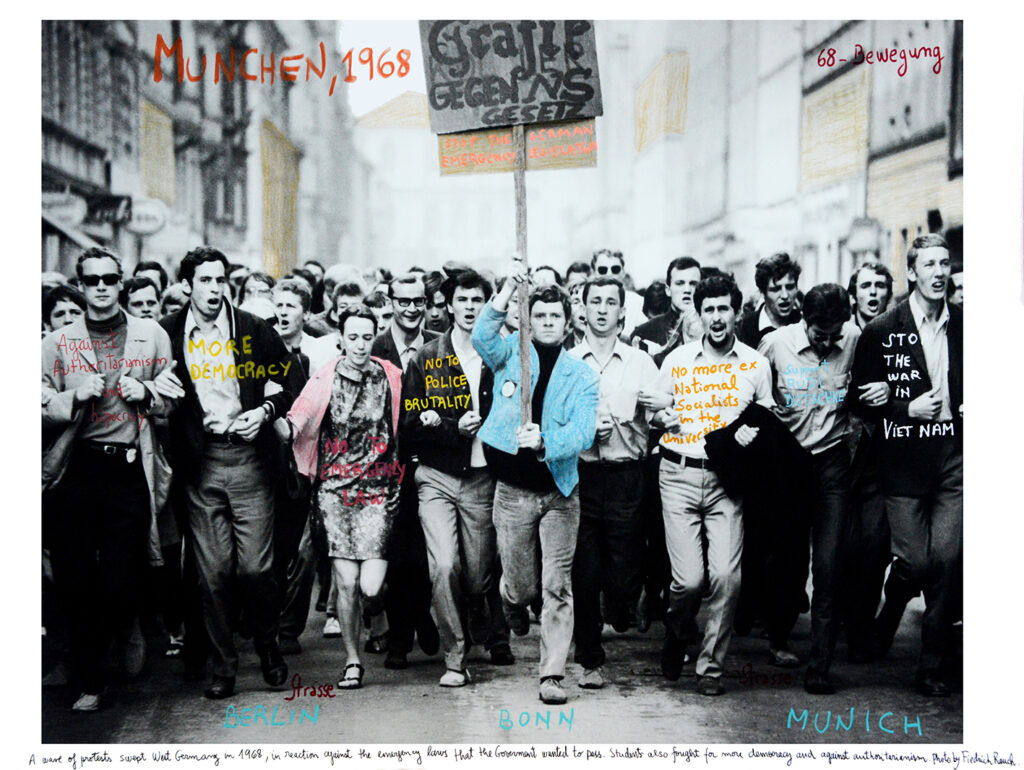
Fotografía de archivo blanco y negro © Friedrich Rauch, 1968, intervenida con textos a mano por Marcelo Brodsky, 2015
Impresión con tintas de pigmentos duros sobre papel Hahnemülhe
60 x 90 cm.
Edición 7 + A/P
Black and white archival photograph © Friedrich Rauch, 1968, intervened with handwritten texts by Marcelo Brodsky, 2015
Print with hard pigment inks on Hahnemühle paper
23,6 x 35,4 in.
Edition 7 + A/P

Fotografía de archivo blanco y negro © Cor Jaring, intervenida con textos a mano por Marcelo Brodsky, 2018
Impresión con tintas de pigmentos duros sobre papel Hahnemülhe
60 x 90 cm.
Edición 7 + A/P
Black and white archival photograph © Cor Jaring,
intervened with handwritten texts by Marcelo Brodsky, 2018
Print with hard pigment inks on Hahnemühle paper
23,6 x 35,4 in.
Edition 7 + A/P
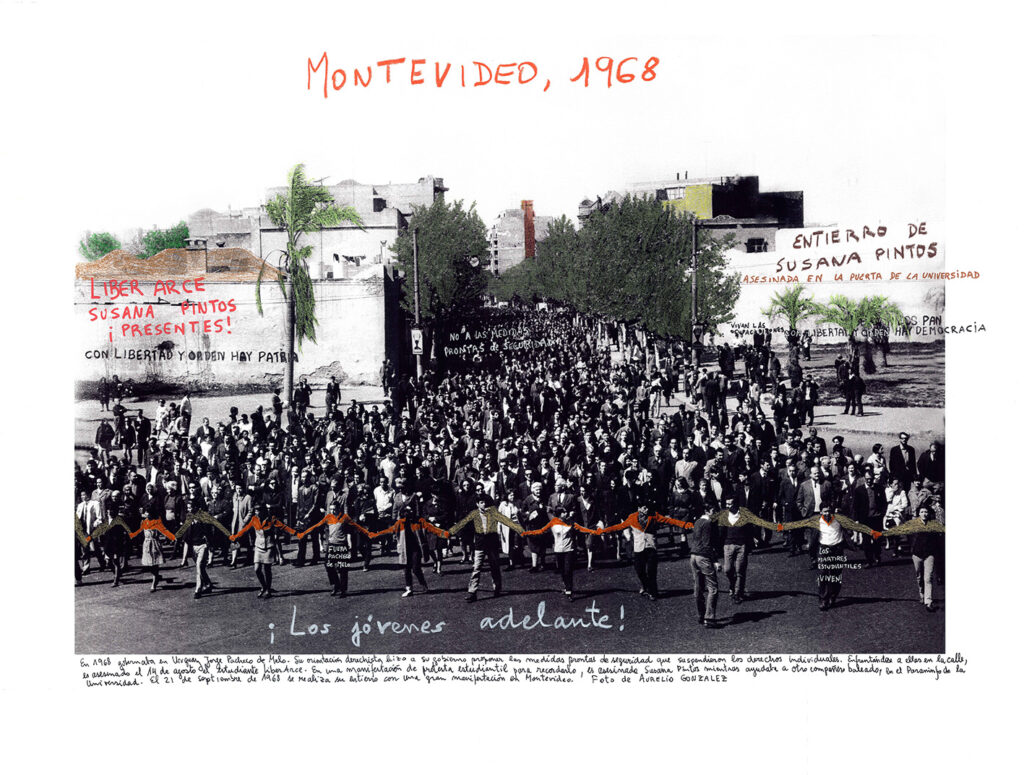
Fotografía de archivo blanco y negro © Aurelio González, 1968, intervenida con textos a mano por Marcelo Brodsky, 2016
Impresión con tintas de pigmentos duros sobre papel Hahnemülhe
60 x 90 cm.
Edición 7 + A/P
Black and white archival photograph © Aurelio González, 1968, intervened with handwritten texts by Marcelo Brodsky, 2016
Print with hard pigment inks on Hahnemühle paper
23,6 x 35,4 in.
Edition 7 + A/P

Fotografía de archivo blanco y negro © Boris Spremo, 1968, intervenida con textos a mano por Marcelo Brodsky, 2017
Impresión con tintas de pigmentos duros sobre papel Hahnemülhe
60 x 90 cm.
Edición 7 + A/P
Black and white archival photograph © Boris Spremo, 1968, intervened with handwritten texts by Marcelo Brodsky, 2017
Print with hard pigment inks on Hahnemühle paper
23,6 x 35,4 in.
Edition 7 + A/P
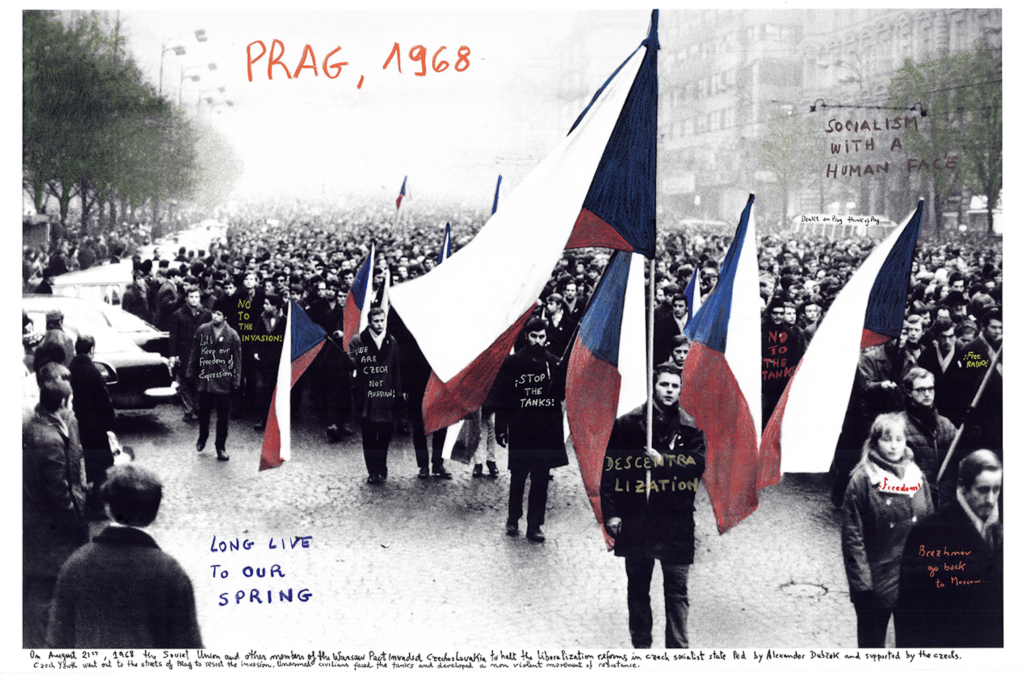
Fotografía de archivo blanco y negro © Akg Imagenes, Wenceslas Sq, Prague 1968, intervenida con textos a mano por Marcelo Brodsky, 2015
Impresión con tintas de pigmentos duros sobre papel Hahnemülhe
60 x 90 cm.
Edición 7 + A/P
Black and white archival photograph © Akg Imagenes, Wenceslas Sq, Prague, 1968, intervened with handwritten texts by Marcelo Brodsky, 2015
Print with hard pigment inks on Hahnemühle paper
23,6 x 35,4 in.
Edition 7 + A/P
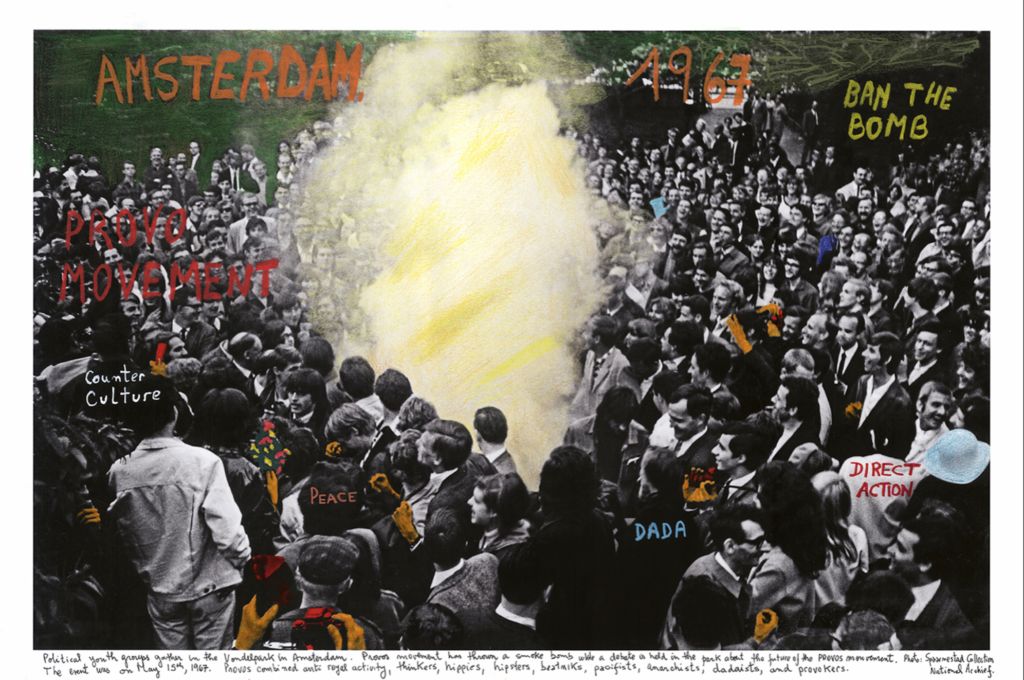
Fotografía de archivo blanco y negro © Spaarnestad Collection National Archief, 1967, intervenida con textos a mano por Marcelo Brodsky, 2016
Impresión con tintas de pigmentos duros sobre papel Hahnemülhe
60 x 90 cm.
Edición 7 + A/P
Black and white archival photograph
© Spaarnestad Collection National Archief,1967,
intervened with handwritten texts by Marcelo Brodsky, 2016
Print with hard pigment inks on Hahnemühle paper
23,6 x 35,4 in.
Edition 7 + A/P
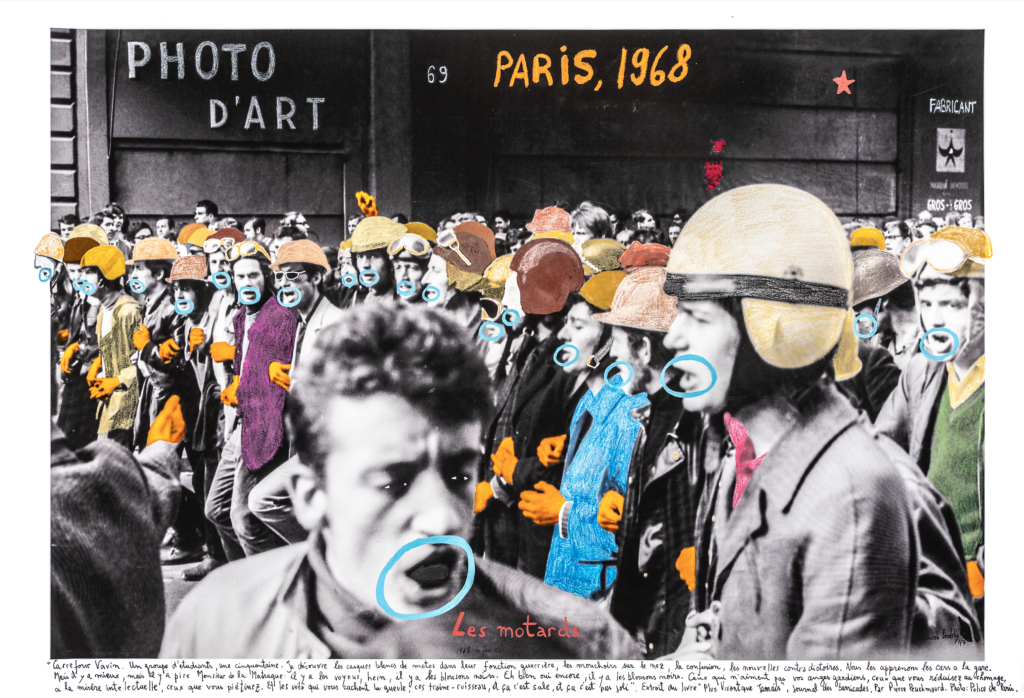
Fotografía de archivo blanco y negro © Paris Police Archive, 1968, intervenida con textos a mano por Marcelo Brodsky, 2014
Impresión inkjet con tintas de pigmentos duros sobre papel algodón Hahnemühle
90 x 60 cm
Edición 7 + A/P
Black and white archival photograph © Paris Police Archive, 1968,
hand-intervened with colors & written texts by Marcelo Brodsky, 2014
Inkjet print with hard pigment ink on Hahnemühle cotton paper
35,4 x 23,6 in
Edition 7 + A/P
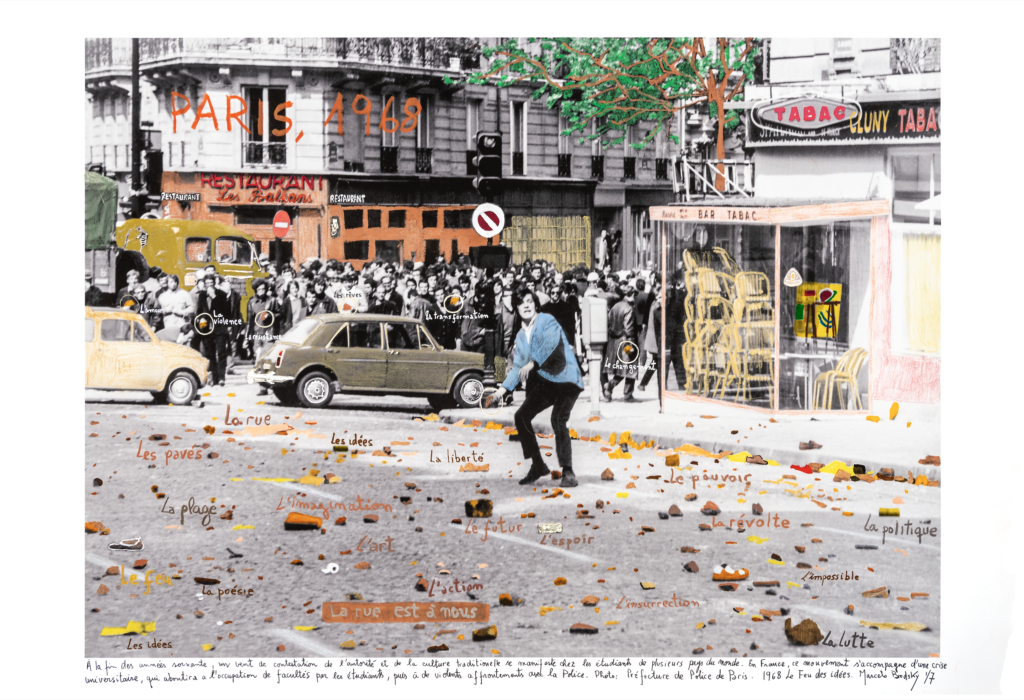
Fotografía de archivo blanco y negro © Paris Police Archive, 1968, intervenida con textos a mano por Marcelo Brodsky, 2014
Impresión con tintas de pigmentos duros sobre papel Hahnemülhe
60 x 90 cm.
Edición 7 + A/P
Black and white archival photograph © Paris Police Archive, 1968, intervened with handwritten texts by Marcelo Brodsky, 2014
Print with hard pigment inks on Hahnemühle paper
23,6 x 35,4 in.
Edition 7 + A/P

Fotografía de archivo blanco y negro © Ladislav Bielik, 1968, intervenida con textos a mano por Marcelo Brodsky, 2016
Impresión con tintas de pigmentos duros sobre papel Hahnemülhe
60 x 90 cm.
Edición 7 + A/P
Black and white archival photograph © Ladislav Bielik, 1968, intervened with handwritten texts by Marcelo Brodsky, 2016
Print with hard pigment inks on Hahnemühle paper
23,6 x 35,4 in.
Edition 7 + A/P
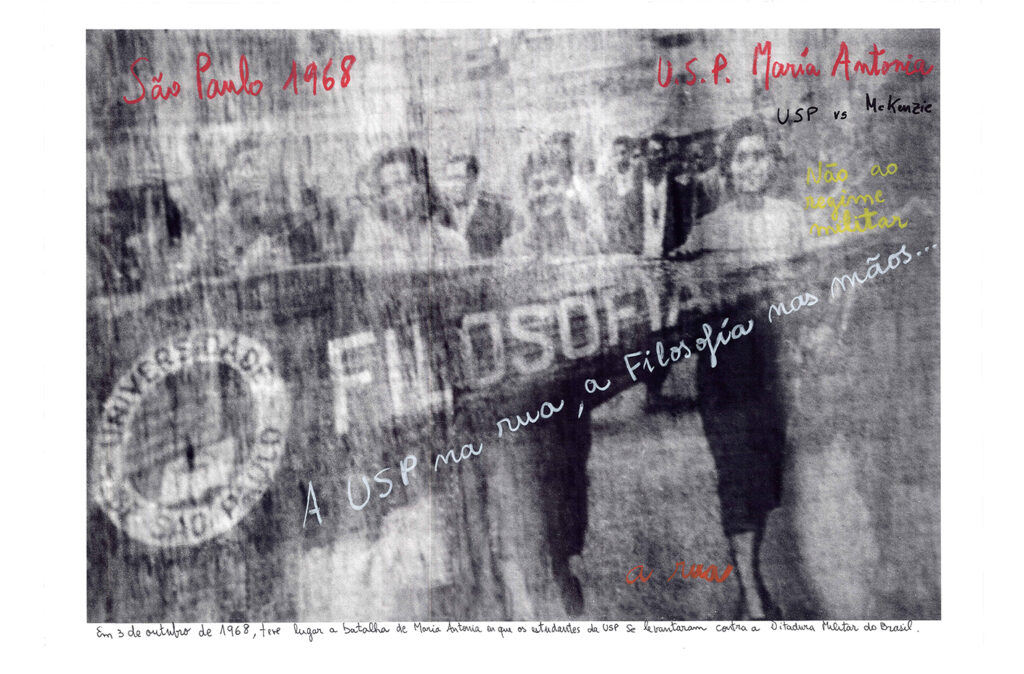
Fotografía de archivo en blanco y negro de © Marcelo Brodsky, 1968, intervenida con textos
a mano por el artista, 2014
60 x 90 cm
Edición 5 + A/P
Black and white archival photograph by © Marcelo Brodsky, 1968, intervened with handwritten
texts by the artist, 2014
23,6 x 35,4 in
Edition 5 + A/P

Fotografía de archivo blanco y negro © Agencia Jornal do Brasil, 1968,
intervenida con textos a mano por Marcelo Brodsky, 2015
Impresión inkjet con tintas de pigmentos duros sobre papel algodón Hahnemühle
90 x 60 cm
Edición 7 + A/P
Black and white archival photograph © Agencia Jornal do Brasil, 1968,
hand-intervened with colors & written texts by Marcelo Brodsky, 2015
Inkjet print with hard pigment ink on Hahnemühle cotton paper
35,4 x 23,6 in
Edition 7 + A/P
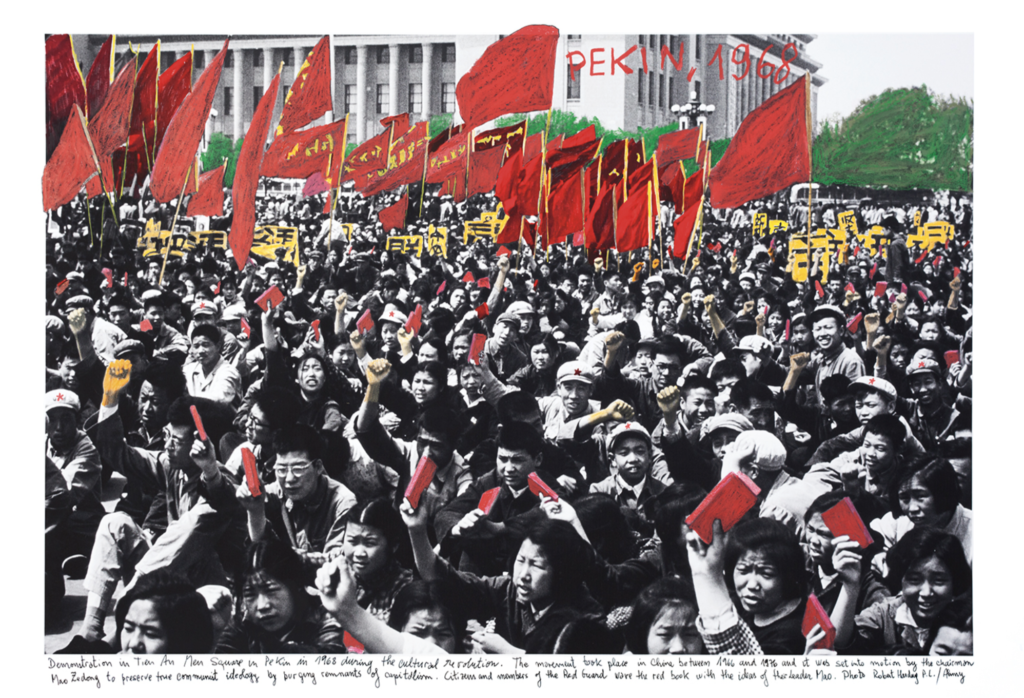
Fotografía de archivo blanco y negro © Robert Harding P.L., 1968, intervenida con textos a mano por Marcelo Brodsky, 2017
Impresión con tintas de pigmentos duros sobre papel Hahnemülhe
60 x 90 cm.
Edición 7 + A/P
Black and white archival photograph © Robert Harding P.L., 1968, intervened with handwritten texts by Marcelo Brodsky, 2017
Print with hard pigment inks on Hahnemühle paper
23,6 x 35,4 in.
Edition 7 + A/P
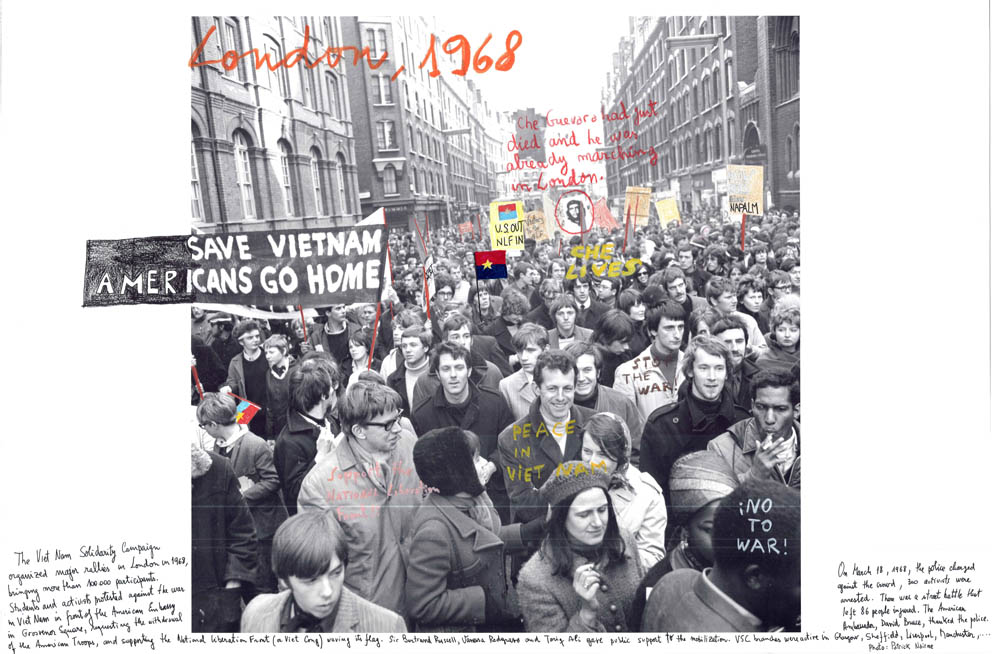
Fotografía de archivo blanco y negro © Patrick Nairne, 1968, intervenida con textos a mano por Marcelo Brodsky, 2015
Impresión con tintas de pigmentos duros sobre papel Hahnemülhe
60 x 90 cm.
Edición 7 + A/P
Black and white archival photograph © Patrick Nairne, 1968, intervened with handwritten texts by Marcelo Brodsky, 2015
Print with hard pigment inks on Hahnemühle paper
23,6 x 35,4 in.
Edition 7 + A/P
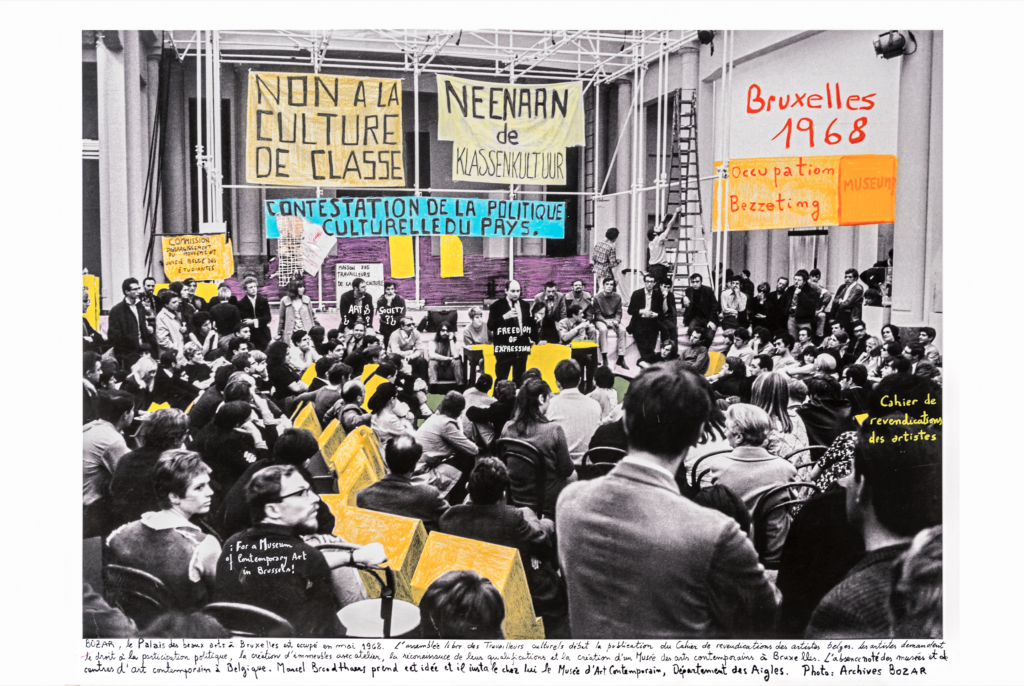
Fotografía de archivo blanco y negro © Archives Bozar, 1968, intervenida con textos a mano por Marcelo Brodsky, 2018
Impresión con tintas de pigmentos duros sobre papel Hahnemülhe
60 x 90 cm.
Edición 7 + A/P
Black and white archival photograph © Archives Bozar, 1968 intervened with handwritten texts by Marcelo Brodsky, 2018
Print with hard pigment inks on Hahnemühle paper
23,6 x 35,4 in.
Edition 7 + A/P

Fotografía de archivo blanco y negro © Agence France Presse, 1968, intervenida con textos a mano por Marcelo Brodsky, 2017
Impresión con tintas de pigmentos duros sobre papel Hahnemülhe
60 x 90 cm.
Edición 7 + A/P
Black and white archival photograph © Agence France Presse, 1968, intervened with handwritten texts by Marcelo Brodsky, 2017
Print with hard pigment inks on Hahnemühle paper
23,6 x 35,4 in.
Edition 7 + A/P
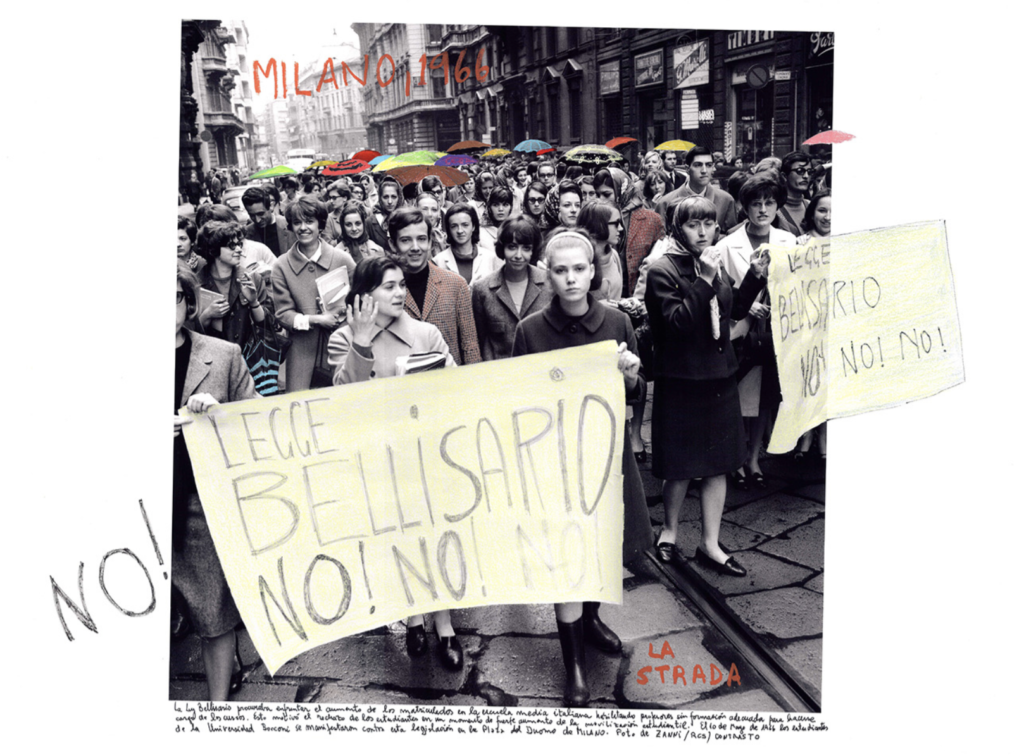
Fotografía de archivo blanco y negro © Zanni-RCS-Constrasto, 1966, intervenida con textos a mano por Marcelo Brodsky, 2016
Impresión con tintas de pigmentos duros sobre papel Hahnemülhe
60 x 90 cm.
Edición 7 + A/P
Black and white archival photograph © Zanni-RCS-Constrasto, 1966, intervened with handwritten texts by Marcelo Brodsky, 2016
Print with hard pigment inks on Hahnemühle paper
23,6 x 35,4 in.
Edition 7 + A/P
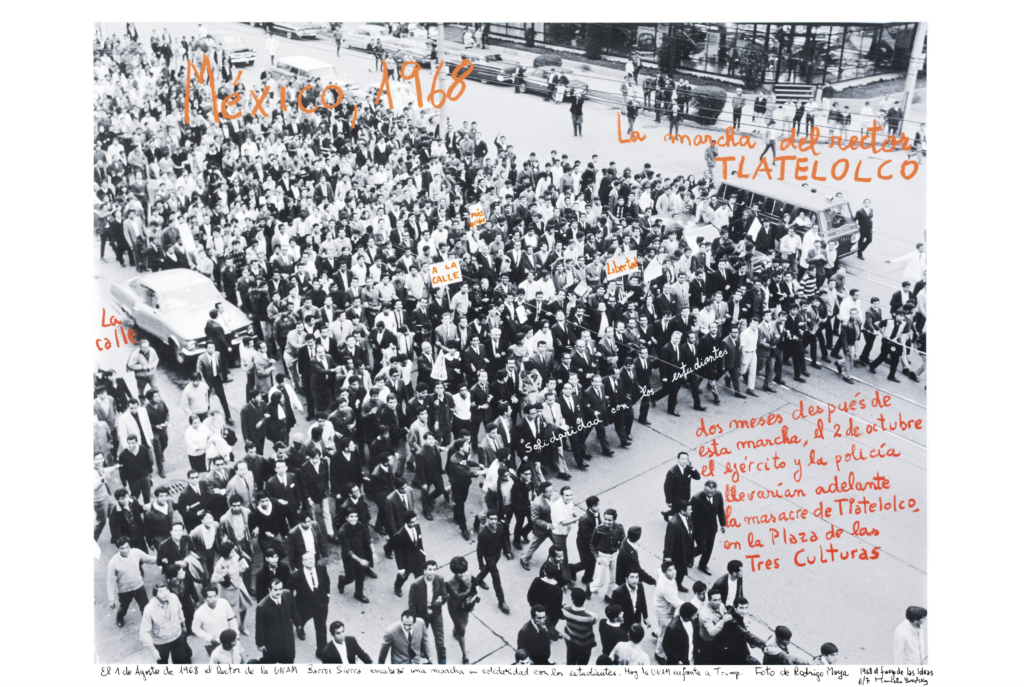
Fotografía de archivo blanco y negro © Rodrigo Moya 1968, intervenida con textos a mano por Marcelo Brodsky, 2014
Impresión con tintas de pigmentos duros sobre papel Hahnemülhe
60 x 90 cm.
Edición 7 + A/P
Black and white archival photograph © Rodrigo Moya 1968, intervened with handwritten texts by Marcelo Brodsky, 2014
Print with hard pigment inks on Hahnemühle paper
23,6 x 35,4 in.
Edition 7 + A/P

Fotografía de archivo blanco y negro © Jorge Silva/Cine Mestizo, 1968, intervenida con textos a mano por Marcelo Brodsky, 2015
Impresión con tintas de pigmentos duros sobre papel Hahnemülhe
45 x 60 cm.
Edición 7 + A/P
Black and white archival photograph © Jorge Silva/Cine Mestizo, 1968, intervened with handwritten texts by Marcelo Brodsky, 2015
Print with hard pigment inks on Hahnemühle paper
17,7 x 23,6 in.
Edition 7 + A/P
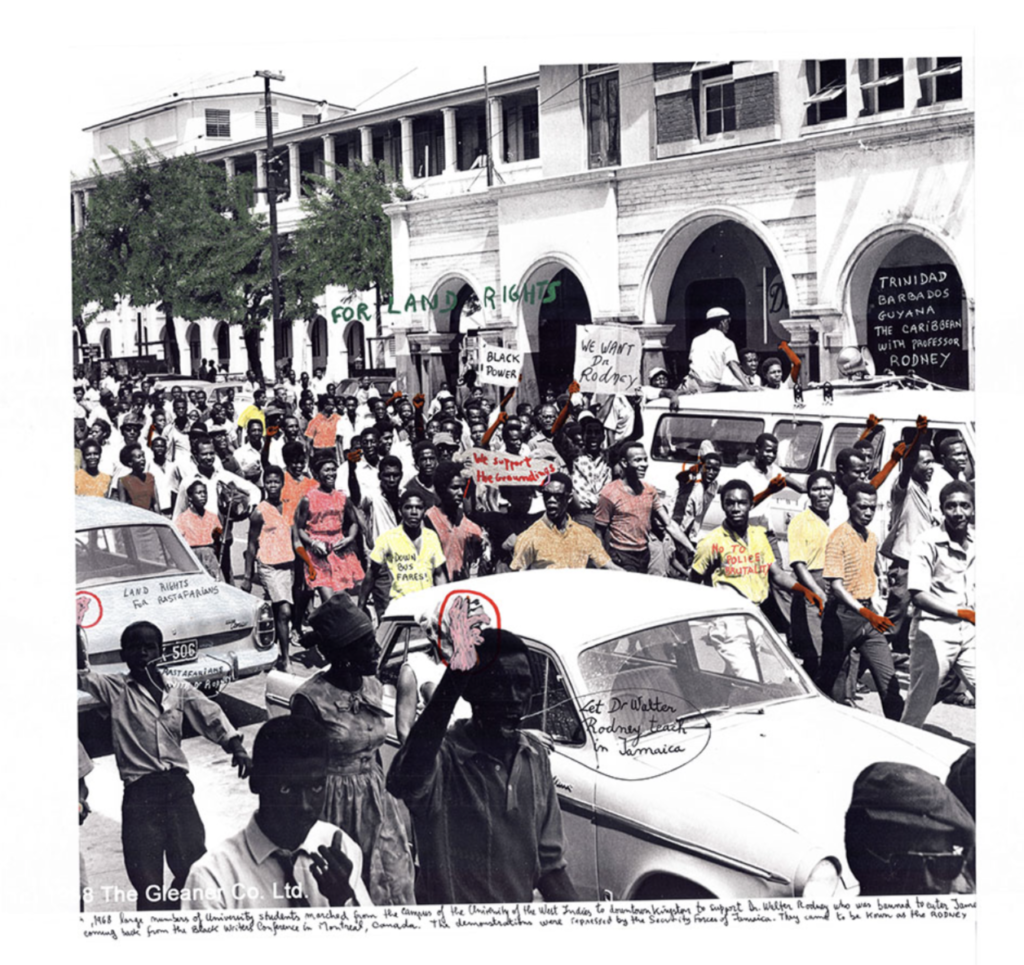
Fotografía de archivo en blanco y negro de © The Gleaner Co. Ltd., 1968, intervenida con textos
a mano por Marcelo Brodsky, 2016
60 x 90 cm
Edición 5 + A/P
Black and white archival photograph by © The Gleaner Co. Ltd., 1968, intervened with handwritten
texts by Marcelo Brodsky, 2016,
23,6 x 35,4 in
Edition 5 + A/P
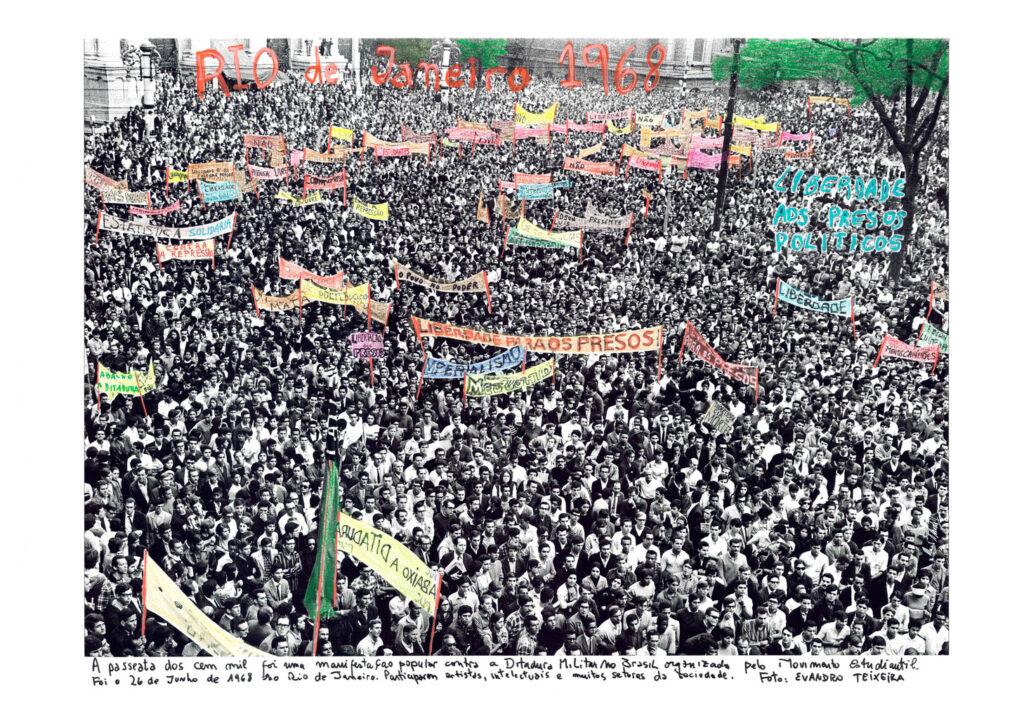
Fotografía de archivo blanco y negro © Evandro Teixera, 1968,
intervenida con textos a mano por Marcelo Brodsky, 2015
Impresión inkjet con tintas de pigmentos duros sobre papel algodón Hahnemühle
90 x 60 cm
Edición 5 + A/P
Black and white archival photograph © Evandro Teixera, 1968,
hand-intervened with colors & written texts by Marcelo Brodsky, 2015
Inkjet print with hard pigment ink on Hahnemühle cotton paper
35,4 x 23,6 in
Edition 5 + A/P

Fotografía de archivo blanco y negro © Stevan Kragujevic, Colección del Museo de Yugoslavia, 1968, intervenida con textos a mano por Marcelo Brodsky, 2014-2017
Impresión con tintas de pigmentos duros sobre papel Hahnemülhe
60 x 90 cm.
Edición 7 + A/P
Black and white archival photograph © Stevan Kragujevic, Museum of Yugoslavia Photo Collection, 1968, intervened with handwritten texts by Marcelo Brodsky, 2014-2017
Print with hard pigment inks on Hahnemühle paper
23,6 x 35,4 in.
Edition 7 + A/P

Fotografía de archivo en B&N © Carlos Guimaraes, intervenida con textos a mano por Marcelo Brodsky, 2017
Impresión con tintas de pigmentos duros sobre papel Hahnemülhe
Medidas variables
Edición 7 + 2AP
Black and white archival photograph © Carlos Guimaraes,
intervened with handwritten texts by Marcelo Brodsky, 2017
Print with hard pigment inks on Hahnemühle paper
23,6 x 35,4 in
Edition 7 + 2AP
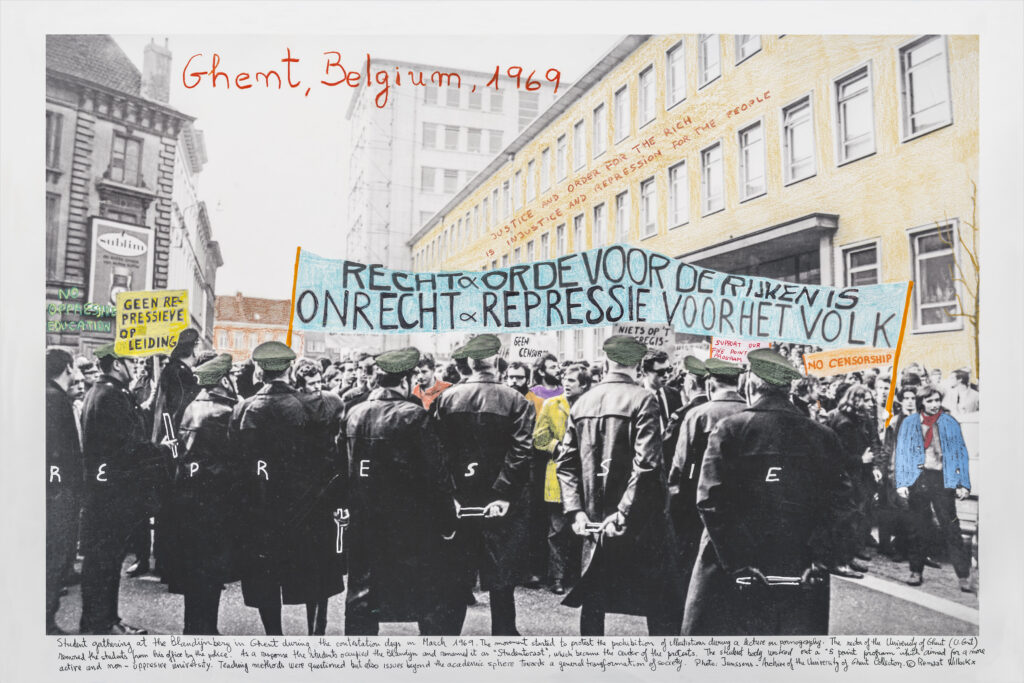
Fotografía de archivo blanco y negro © Renaat Willockx, Janssens, Archivo de la colección de la Universidad de Ghent, 1969, intervenida con textos a mano por Marcelo Brodsky, 2014-2017
Impresión con tintas de pigmentos duros sobre papel Hahnemülhe
60 x 90 cm.
Edición 7 + A/P
Black and white archival photograph © Renaat Willockx, Janssens, Archive of the University of Ghent Collection, 1969, intervened with handwritten texts by Marcelo Brodsky, 2014-2017
Print with hard pigment inks on Hahnemühle paper
23,6 x 35,4 in.
Edition 7 + A/P
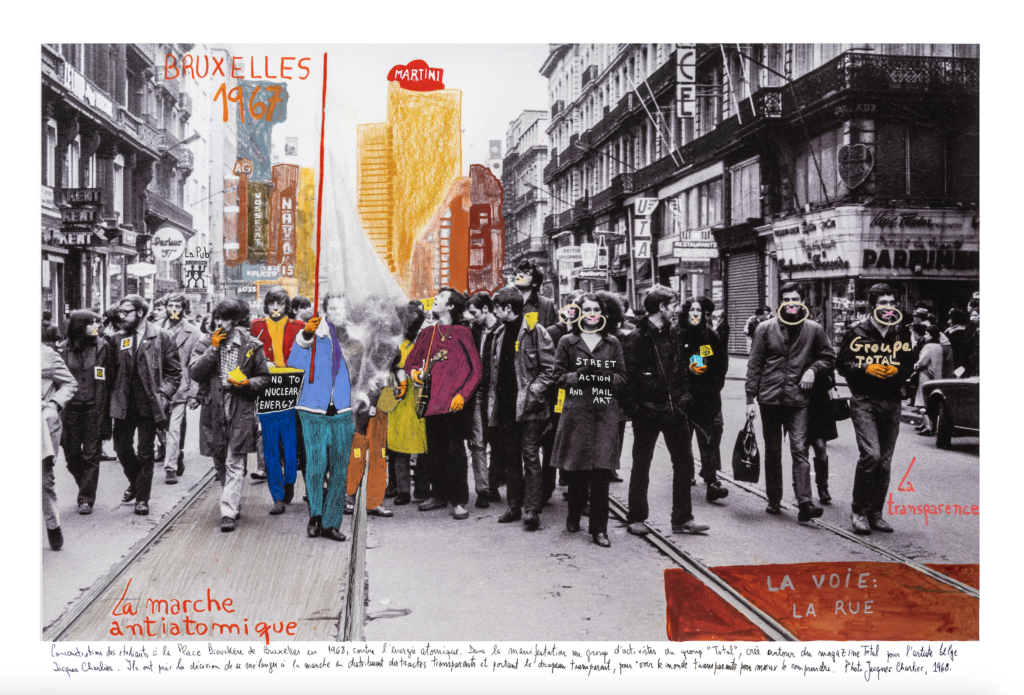
Fotografía de archivo blanco y negro © Archives Bozar, 1968,
intervenida con textos a mano por Marcelo Brodsky, 2018
Impresión con tintas de pigmentos duros sobre papel Hahnemühle
60 x 90 cm.
Edición 7 + 2 A/P
Black and white archival photograph © Archives Bozar, 1968
intervened with handwritten texts by Marcelo Brodsky, 2018
Print with hard pigment inks on Hahnemühle paper
23,6 x 35,4 in
Edition 7 + 2 A/P
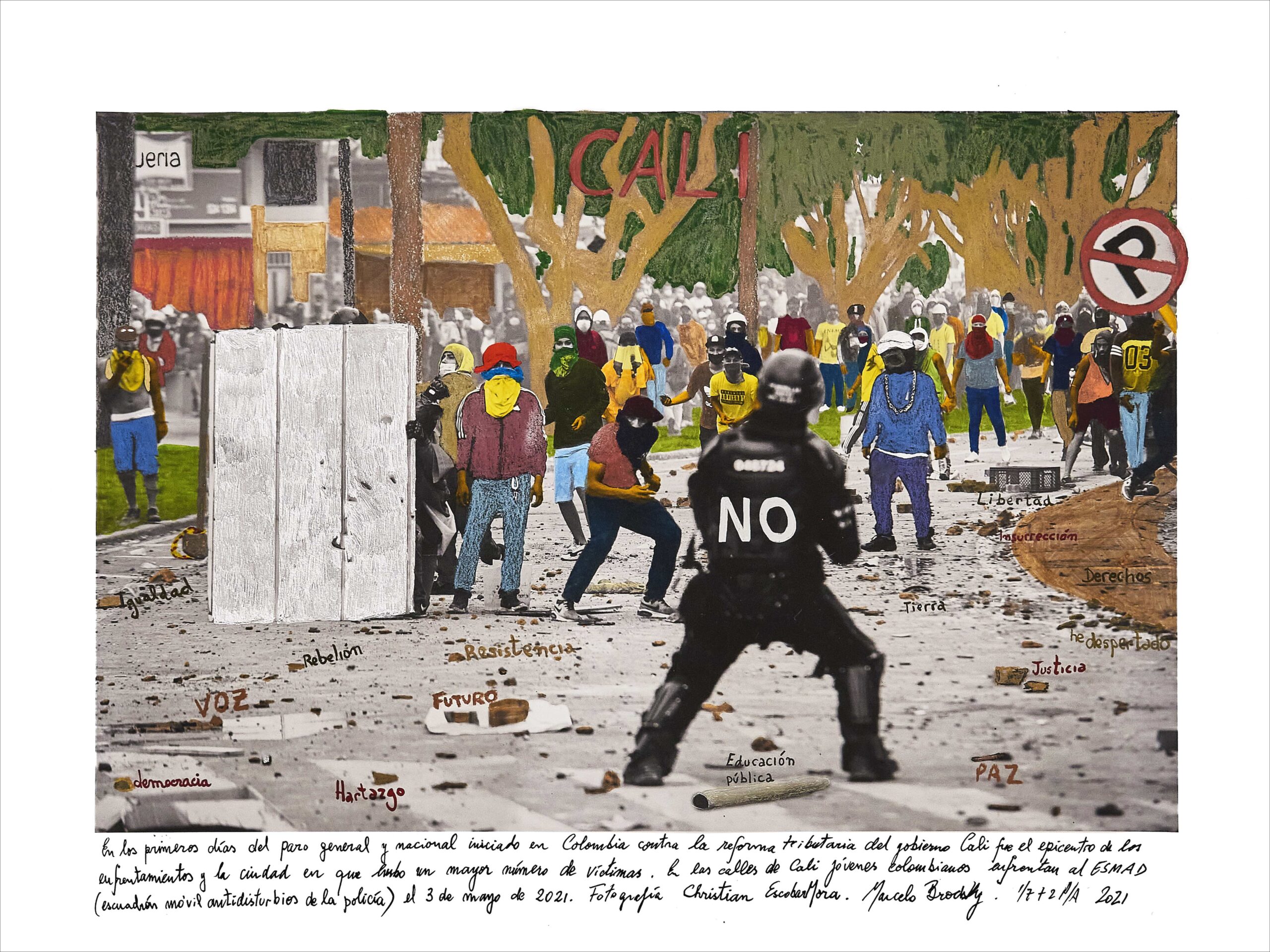

De la serie Paro Nacional 2021, Colombia
Fotografía
Fotografía de archivo blanco y negro © Federico Rios Escobar, 2021 intervenida con textos y pintada a mano con crayón y acuarela por Marcelo Brodsky, 2021 Impresión con tintas de pigmentos duros sobre papel Hahnemülhe
45 x 60 cm.
Edición 7 + 2 A/P
From the series National Strike 2021, Colombia
Photograph
Black and white archival photograph © Federico Rios Escobar, 2021 intervened with handwritten texts and painted with crayon and watercolor by Marcelo Brodsky, 2021
Print with hard pigment inks on Hahnemühle paper
17.7 x 23.6 in.
Edition 7 + 2 A/P
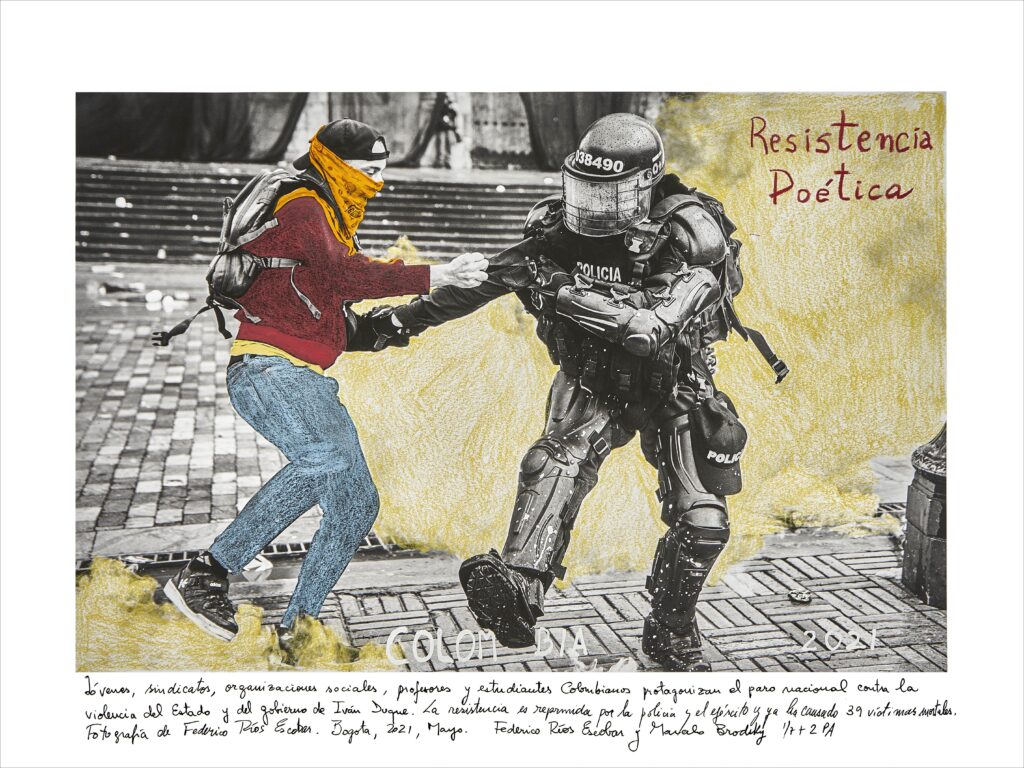
De la serie Paro Nacional 2021, Colombia
Fotografía
Fotografía de archivo blanco y negro © Federico Rios Escobar, 2021 intervenida con textos y pintada a mano con crayón y acuarela por Marcelo Brodsky, 2021 Impresión con tintas de pigmentos duros sobre papel Hahnemülhe
45 x 60 cm.
Edición 7 + 2 A/P
From the series National Strike 2021, Colombia
Photograph
Black and white archival photograph © Federico Rios Escobar, 2021 intervened with handwritten texts and painted with crayon and watercolor by Marcelo Brodsky, 2021
Print with hard pigment inks on Hahnemühle paper
17.7 x 23.6 in.
Edition 7 + 2 A/P
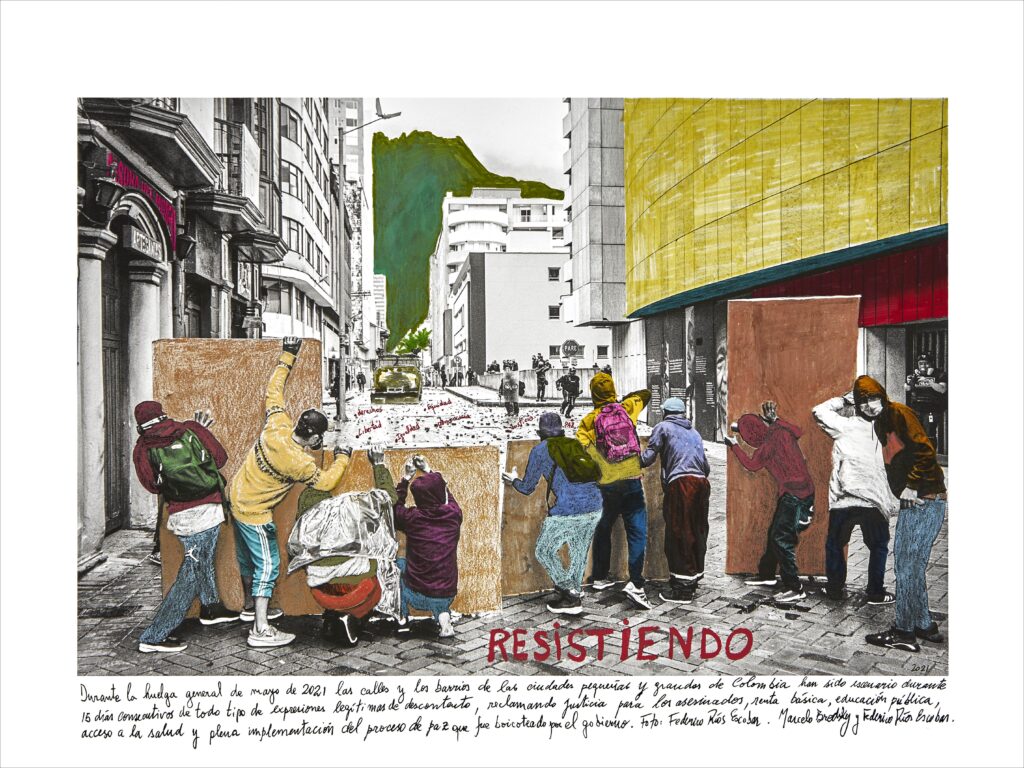
De la serie Paro Nacional 2021, Colombia
Fotografía
Fotografía de archivo blanco y negro © Federico Rios Escobar, 2021 intervenida con textos y pintada a mano con crayón y acuarela por Marcelo Brodsky, 2021 Impresión con tintas de pigmentos duros sobre papel Hahnemülhe
45 x 60 cm.
Edición 7 + 2 A/P
From the series National Strike 2021, Colombia
Photograph
Black and white archival photograph © Federico Rios Escobar, 2021 intervened with handwritten texts and painted with crayon and watercolor by Marcelo Brodsky, 2021
Print with hard pigment inks on Hahnemühle paper
17.7 x 23.6 in.
Edition 7 + 2 A/P

De la serie Paro Nacional 2021, Colombia
Fotografía
Fotografía de archivo blanco y negro © Federico Rios Escobar, 2021 intervenida con textos y pintada a mano con crayón y acuarela por Marcelo Brodsky, 2021 Impresión con tintas de pigmentos duros sobre papel Hahnemülhe
45 x 60 cm.
Edición 7 + 2 A/P
From the series National Strike 2021, Colombia
Photograph
Black and white archival photograph © Federico Rios Escobar, 2021 intervened with handwritten texts and painted with crayon and watercolor by Marcelo Brodsky, 2021
Print with hard pigment inks on Hahnemühle paper
17.7 x 23.6 in.
Edition 7 + 2 A/P

De la serie Paro Nacional 2021, Colombia
Fotografía
Fotografía de archivo blanco y negro © Federico Rios Escobar, 2021 intervenida con textos y pintada a mano con crayón y acuarela por Marcelo Brodsky, 2021 Impresión con tintas de pigmentos duros sobre papel Hahnemülhe
45 x 60 cm.
Edición 7 + 2 A/P
From the series National Strike 2021, Colombia
Photograph
Black and white archival photograph © Federico Rios Escobar, 2021 intervened with handwritten texts and painted with crayon and watercolor by Marcelo Brodsky, 2021
Print with hard pigment inks on Hahnemühle paper
17.7 x 23.6 in.
Edition 7 + 2 A/P

El proyecto de Marcelo Brodsky ofrece una narrativa subjetiva en la que la fotografía actúa como memoria. Comprometido con la lucha por defender causas sociales estrictamente relacionadas con los derechos de la humanidad.
La fotografía en su obra es un testigo, una suerte de “servicio documental” al ser trabajadas combinando material de archivo y documentación que el artista inscribe sobre las imágenes condensando experiencias traumáticas, vestigios de vivencias ligadas al horror y el exilio. Marcas, notas, colores, el tono lacónico, archivístico, de la información alude al discurso impersonal de la historia; la caligrafía, desprolija y urgida, invaden las fotografías señalando, destacando, acentuando las faltas, los vacíos provocados por aquellos que ya no están, o los reclamos de una sociedad.
“…Las relaciones entre el arte y la violencia señalan el itinerario vital de una cultura diversa, rica y sorprendente, gestada por un país cuyo color y cuyo ritmo embelesan y encandilan. La paz soñada, imaginada y negociada es negada con cada nueva víctima. Los jóvenes ocupan las calles y resisten, aguantan y plantean preguntas sin respuesta a un aparato de poder soberbio que muestra sus rendijas.
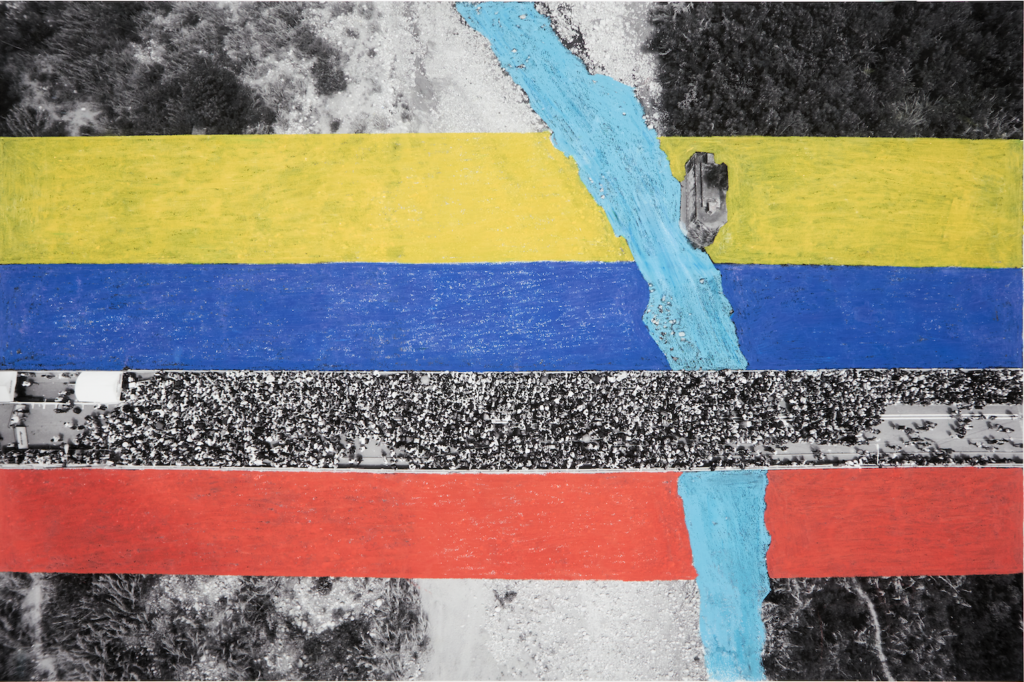
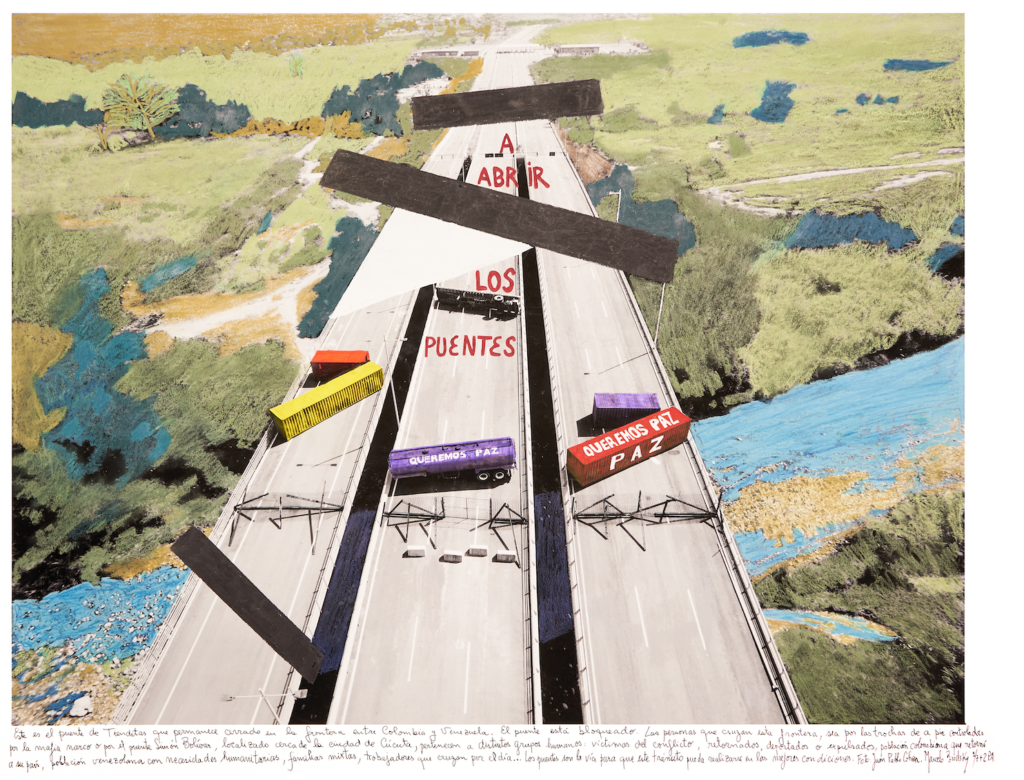
Las fronteras, porosas, donde transitan las familias que fueron de un único país, son punto de fricción y de reencuentro. No hay diferencias reales, las familias son las mismas, siempre vivieron a ambos lados del borde. Los puentes al abrirse permiten el flujo natural de lo imparable…”
Marcelo Brodsky sobre Abrir los puentes & Paro Nacional, 2021
De la serie Abrir los puentes, Cúcuta – Juntos Aparte
Fotografía
Fotografía de archivo blanco y negro © Juan Pablo Cohen, 2019 intervenida con textos y pintada a mano con crayón y acuarela por Marcelo Brodsky, 2019 – 2020
64,5 x 90 cm.
Edición 7 + 2 A/P
From the series Open the bridges, Cúcuta – Together Apart
Photograph
Black and white archival photograph by © Juan Pablo Cohen intervened with handwritten texts & painted with crayon and watercolor by Marcelo Brodsky 2019 – 2020
Print with hard pigment inks on Hahnemühle paper
25.3 x 35.4 in.
Edition 7 + 2 A/P

De la serie Abrir los puentes, Cúcuta – Juntos Aparte
Fotografía
Fotografía de archivo blanco y negro © Juan Pablo Cohen, 2019 intervenida con textos y pintada a mano con crayón y acuarela por Marcelo Brodsky, 2019
Impresión con tintas de pigmentos duros sobre papel Hahnemülhe
64,5 x 90 cm.
Edición 7 + 2 A/P
From the series Open the bridges, Cúcuta – Together Apart
Photograph
Black and white archival photograph by © Juan Pablo Cohen intervened with handwritten texts & painted with crayon and watercolor by Marcelo Brodsky 2019
Print with hard pigment inks on Hahnemühle paper
25.3 x 35.4 in.
Edition 7 + 2 A/P
De la serie Abrir los puentes, Cúcuta – Juntos Aparte
Fotografía
Fotografía de archivo blanco y negro © Juan Pablo Cohen, 2019 intervenida con textos y pintada a mano con crayón y acuarela por Marcelo Brodsky, 2019
Impresión con tintas de pigmentos duros sobre papel Hahnemülhe
64,5 x 90 cm.
Edición 7 + 2 A/P
From the series Open the bridges, Cúcuta – Together Apart
Photograph
Black and white archival photograph by © Juan Pablo Cohen intervened with handwritten texts & painted with crayon and watercolor by Marcelo Brodsky 2019
Print with hard pigment inks on Hahnemühle paper
25.3 x 35.4 in.
Edition 7 + 2 A/P
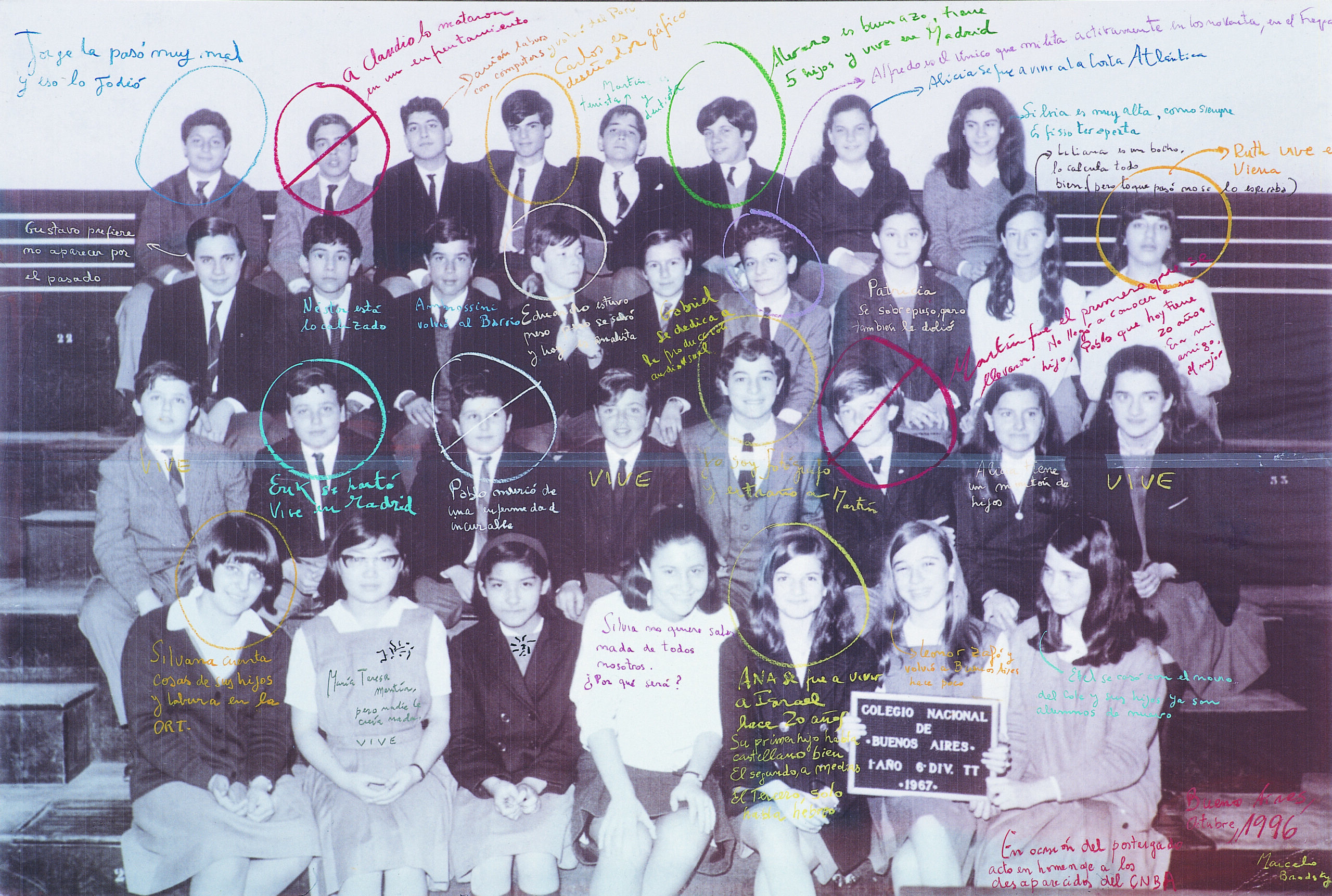
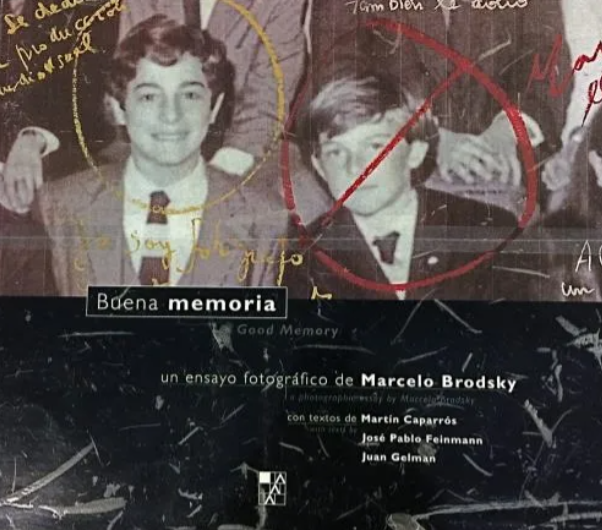
Buena Memoria se centra en los tiempos de dictadura Argentina durante la cual el estado torturó y ejecutó sistemáticamente miles de ciudadanos, conocidos como los desaparecidos. Liderados por el general Jorge Rafael Videla, la dictadura militar tomó el poder en 1976 y mantuvo su gobierno opresivo hasta 1983. Al regresar de su exilio en España a su tierra natal a la edad de cuarenta años, Brodsky utilizó fotografías familiares como punto de partida para un cuerpo de obras que tratan de comunicar el trauma de la experiencia vivida.
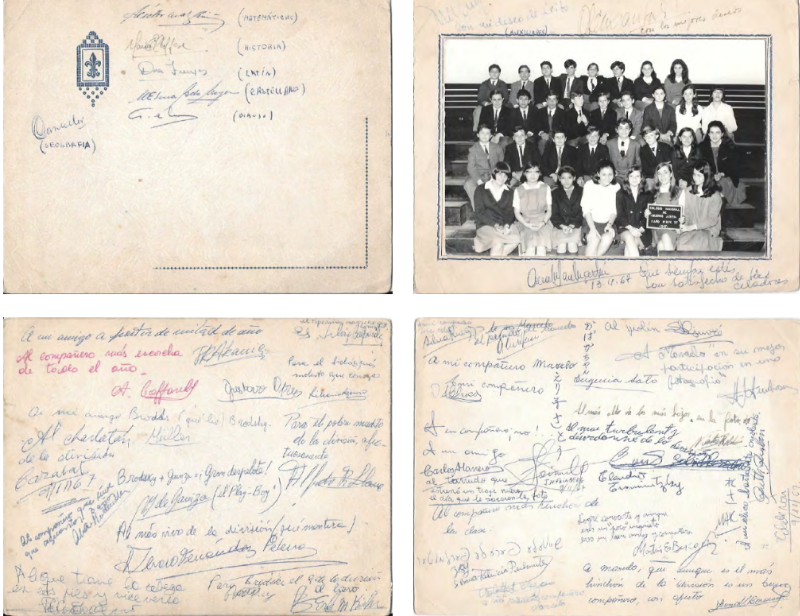
La obra 1er Año, 6ta División, 1967 es una reproducción a gran escala de una fotografía de su clase tomada en ese mismo año en el Colegio Nacional de Buenos Aires. En la superficie, Brodsky ha inscrito marcas y notas en colores brillantes que detallan el destino de sus compañeros de clase. Mientras que algunos se habían casado o emigrado, otros fueron “desaparecidos”. La obra entera de Marcelo Brodsky está atravesada por relaciones constitutivas entre la imagen y la palabra. En Buena Memoria el tono lacónico, archivístico, de la información alude al discurso impersonal de la historia; la caligrafía, desprolija y urgida, a la memoria, que solo puede revelarse en la presencia de un cuerpo.
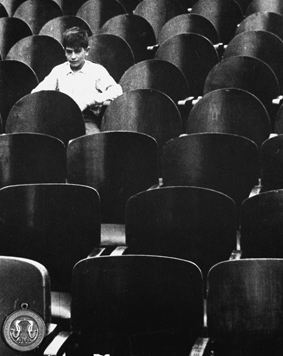
Como observó Walter Benjamín, la huella fotográfica es opaca hasta que se escribe su sentido, y esta escritura revela el futuro (aún siniestro) del pasado que ella ha apresado. El proyecto más amplio al cual esta obra pertenece, continúa este proceso de reformulación de los materiales existentes. Otras obras de esta serie utilizan las instantáneas del álbum de fotos familiares del artista para centrarse en su hermano menor Fernando, desaparecido a la edad de veintidós años en 1979. Presionando el pasado contra el presente, estas obras de figuras “fantasmales” parecieran anticipar su propio futuro. Al trasponer materiales vernáculos familiares y el testimonio personal en la esfera pública, el artista otorga una oportunidad para que otros puedan identificarse y conmoverse, permitiendo la comprensión de sucesos lejanos. Brodsky explora la capacidad de la fotografía para proporcionar un espacio de meditación entre la memoria privada y las historias colectivas.

De la serie Buena Memoria
Fotografía
Impresión Inkjet sobre papel de algodón
60 x 50 cm.
From the Good Memory series
Photography
Inkjet print on cotton paper
23,6 x 19,6 in.
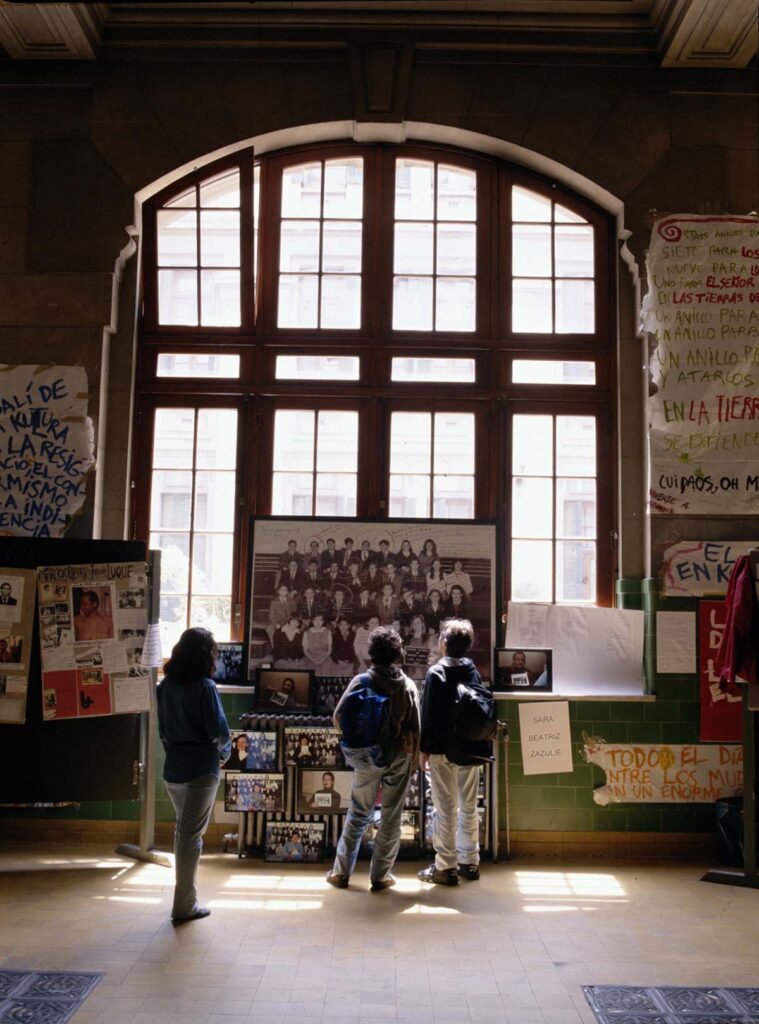
De la serie Buena Memoria
Fotografía
Impresión Inkjet sobre papel de algodón
60 x 50 cm.
From the Good Memory series
Photography
Inkjet print on cotton paper
23,6 x 19,6 in.
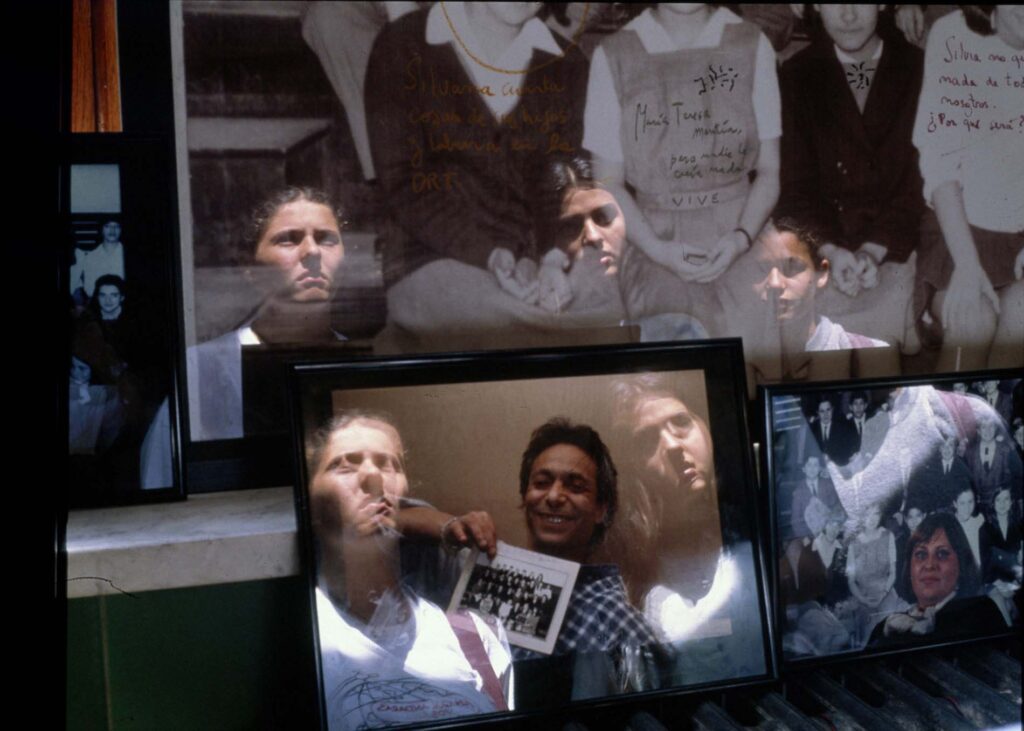
De la serie Buena Memoria
Fotografía
Impresión Inkjet sobre papel de algodón
60 x 50 cm.
From the Good Memory series
Photography
Inkjet print on cotton paper
23,6 x 19,6 in.
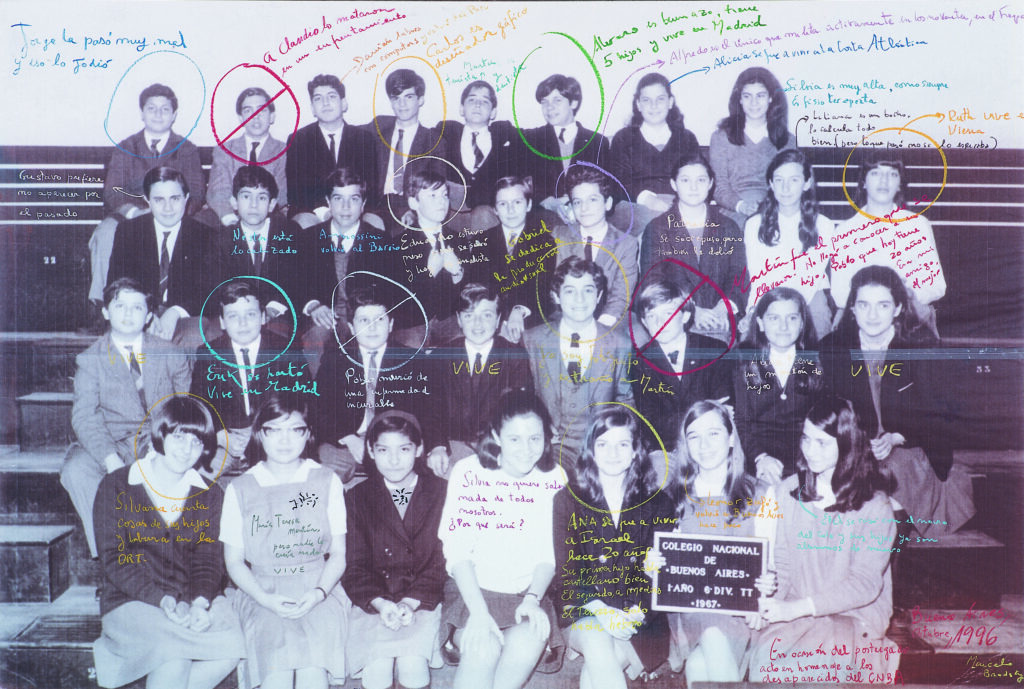
De la serie Buena Memoria
Copia: 2013
Fotografía intervenida
Gigantografía intervenida por el artista
Papel de algodón Hahnemüle
Photo Rag 308 g.
127 x 185 cm.
Edición 5 + A/P
From the Good Memory series
Print: 2013
Intervened photography
Gigant print intervened by the artist
Cotton paper Hahnemüle Photo Rag 308 g.
50 x 72,8 in.
Edition 5 + A/P

De la serie Buena Memoria
Fotografía
Gelatina de plata sobre papel fibra
69 x 55 cm.
From the Good Memory series
Photography
Gelatin silver print on fiber paper
27,2 x 21,7 in.
De la serie Buena Memoria
Fotografía
Impresión Inkjet sobre papel de algodón
50 x 60 cm.
From the Good Memory series
Photography
Inkjet print on cotton paper
19,7 x 23,6 in.

De la serie Buena Memoria
Nando, mi hermano
Fotografía
Gelatina de plata sobre papel fibra
55,5 x 56 cm.
From the Good Memory series
Photography
Gelatin silver print on fiber paper
21,9 x 22 in.
De la serie Buena Memoria
Fotografía
Gelatina de plata sobre papel fibra
51 x 56 cm.
From the Good Memory series
Photography
Gelatin silver print on fiber paper
20 x 22 in.
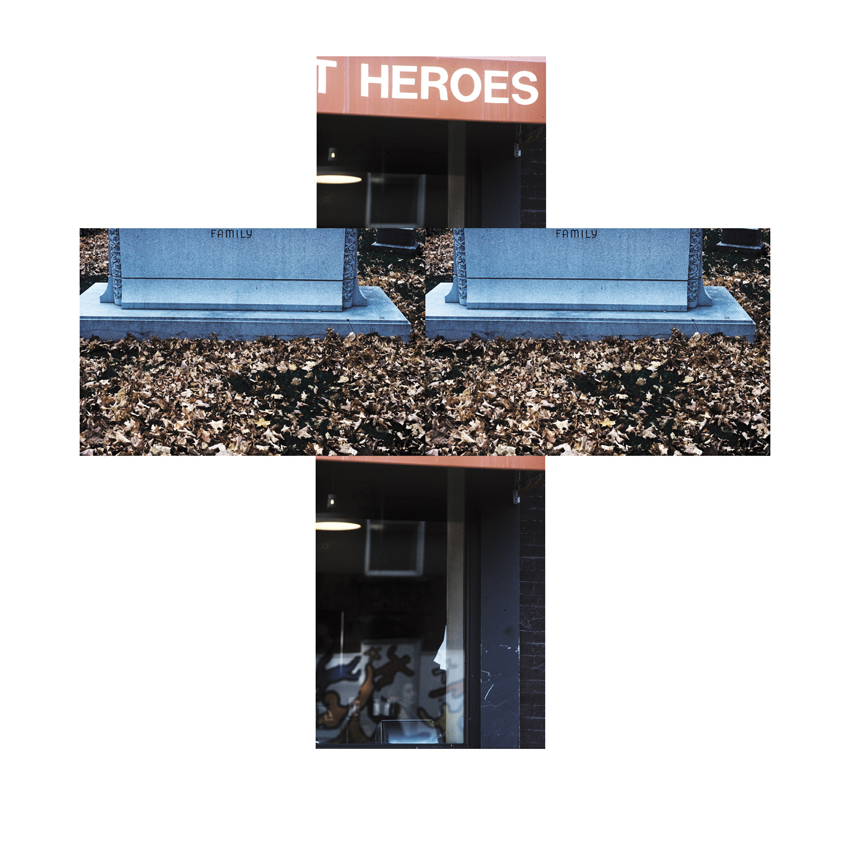
De la serie Buena Memoria
Fotomontaje
Cuatro impresiónes Inkjet sobre papel de algodón
118 x 115 cm.
From the Good Memory series
Photomontage
Four Inkjet prints on cotton paper
46,5 x 45,3 in.
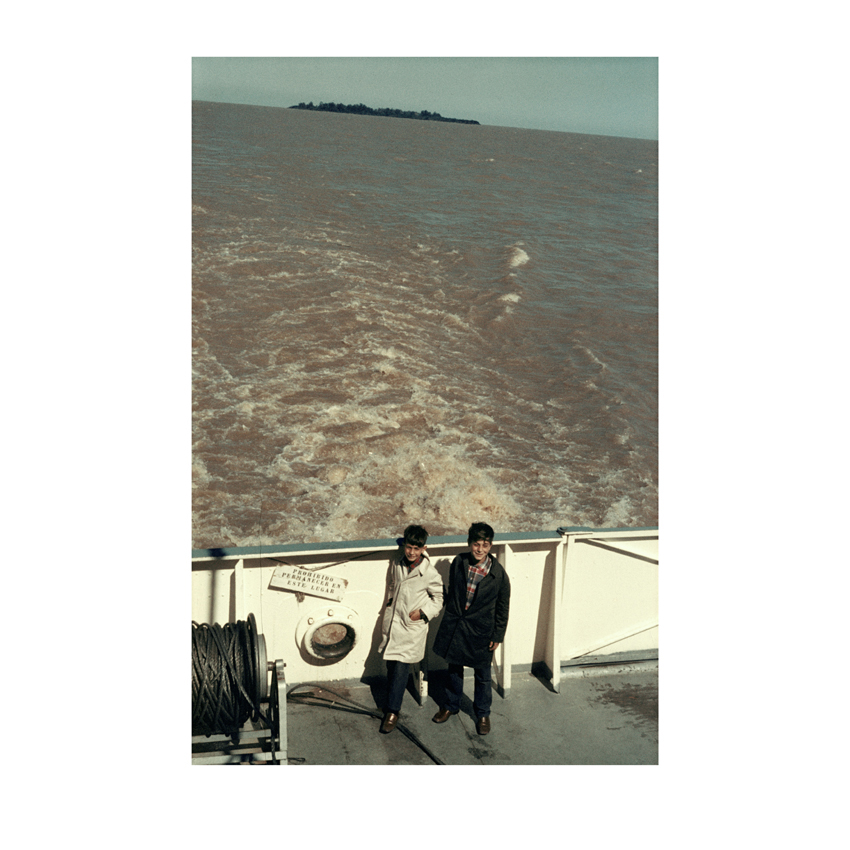
De la serie Buena Memoria
Fotografía
Impresión Inkjet sobre papel de algodón
50 x 60 cm.
From the Good Memory series
Photography
Inkjet print on cotton paper
19,7 x 23,6 in.

La atención sobre los derechos humanos, en cuya defensa Brodsky trabaja activamente, ha abierto nuevos caminos para el papel político y público de las artes visuales. Nexo – continuidad de su primer libro Buena Memoria- es un ensayo fotográfico que pretende formar parte de un diálogo abierto de voces y puntos de vista acerca de las prolongadas consecuencias que ha tenido el terrorismo de Estado y que combina de modo ecléctico la fotografía directa, la fotografía de archivo, textos, instalaciones, mármoles y video.
Gran parte de su nueva obra gira en torno de la memoria de los desaparecidos y vincula los efectos del terrorismo de Estado con el pasado, al ligarla al tropo del Holocausto y con el futuro, asociándola con episodios trágicos más próximos- el atentado a la Amia en 1994. Las obras de Nexo aluden más que a la memoria oficial, a la memoria vivida, localizada en cuerpos individuales, en su experiencia y en su dolor, comprometiendo a la vez la memoria colectiva, política o generacional.
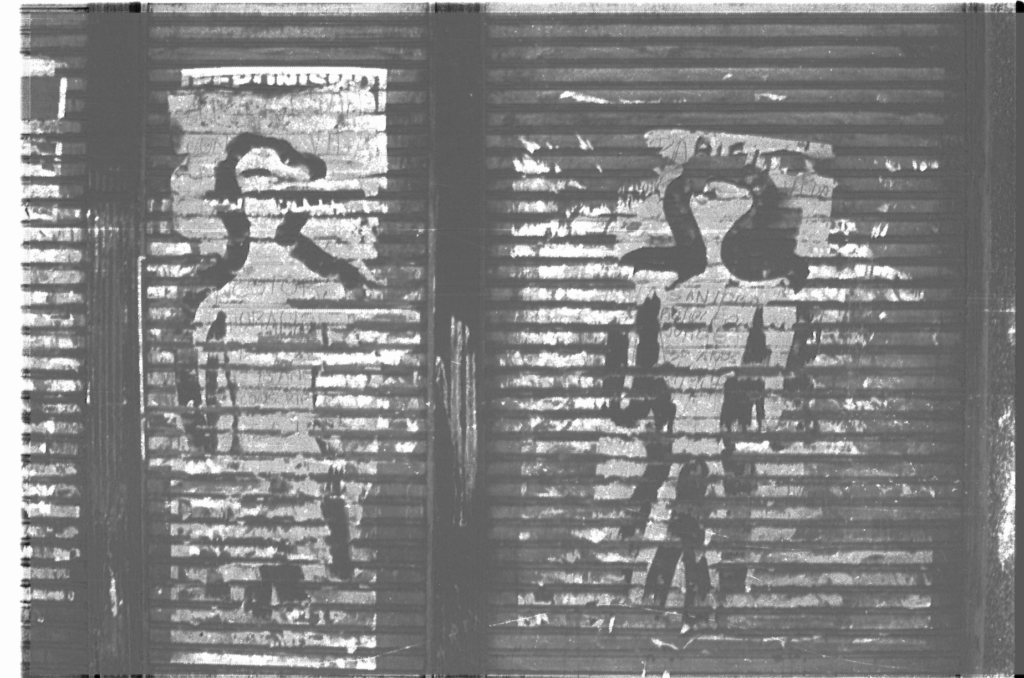
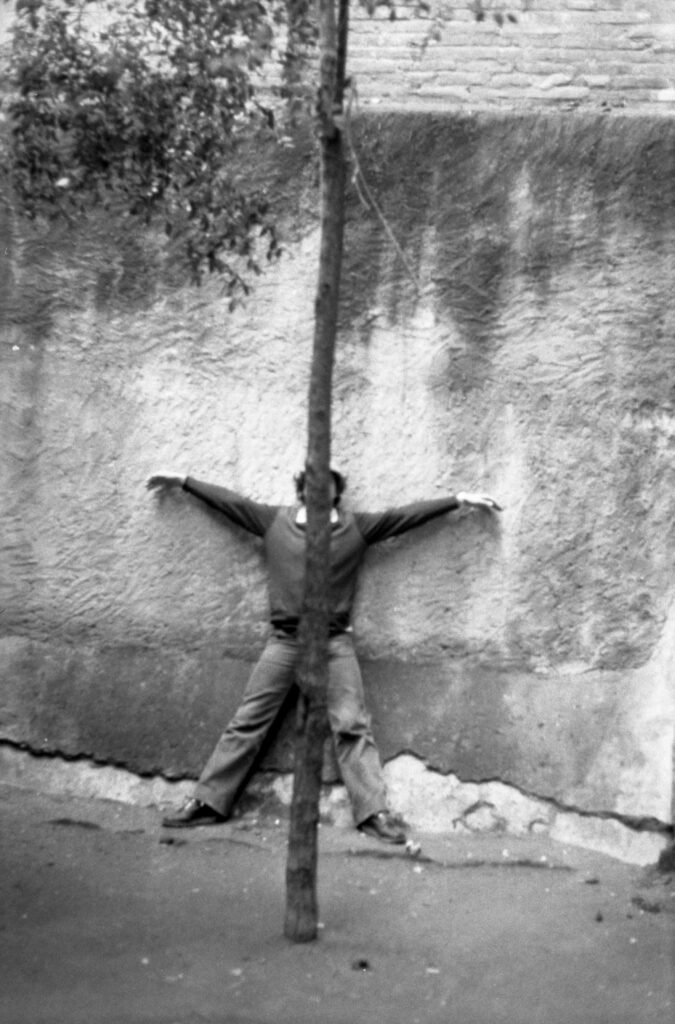
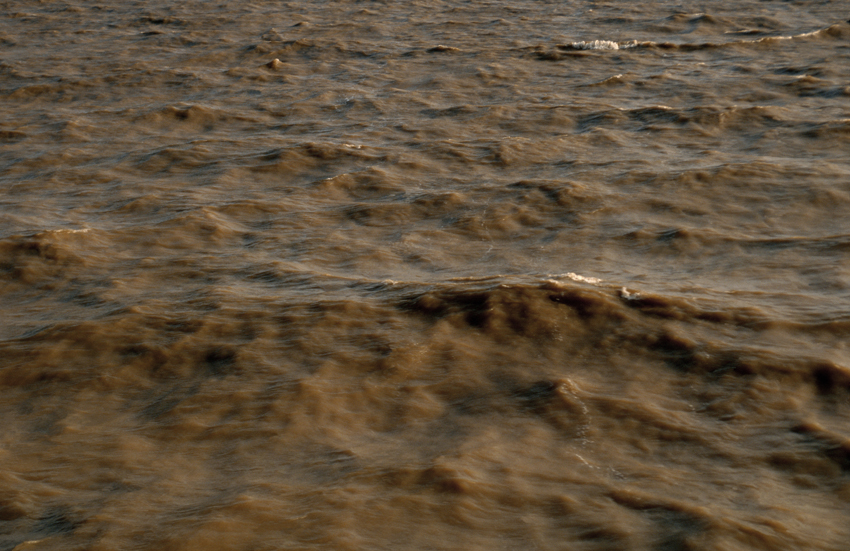

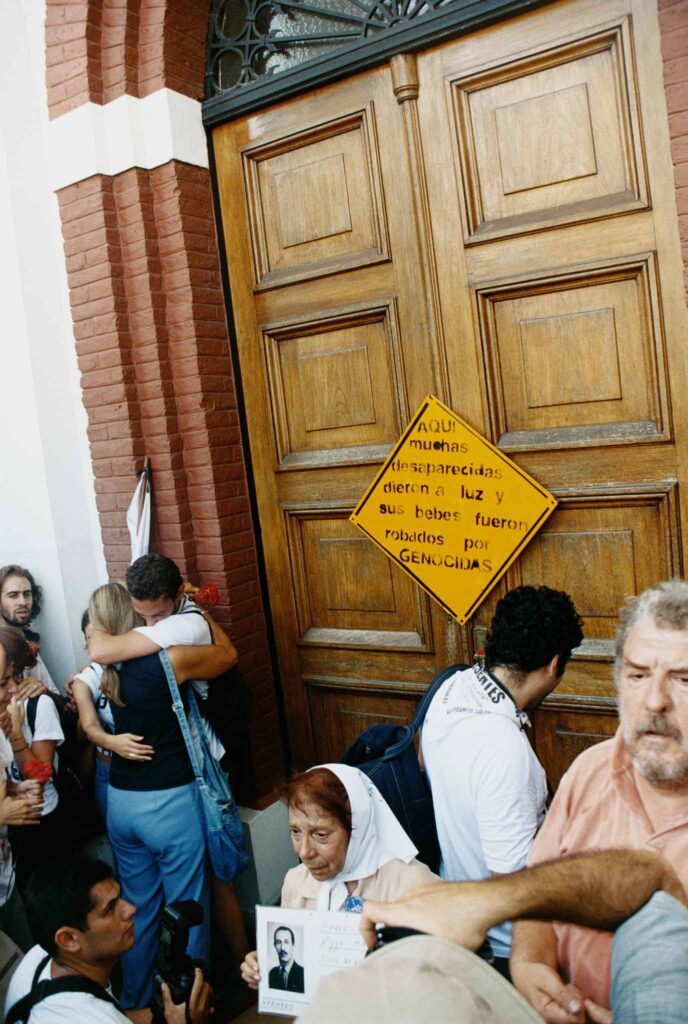
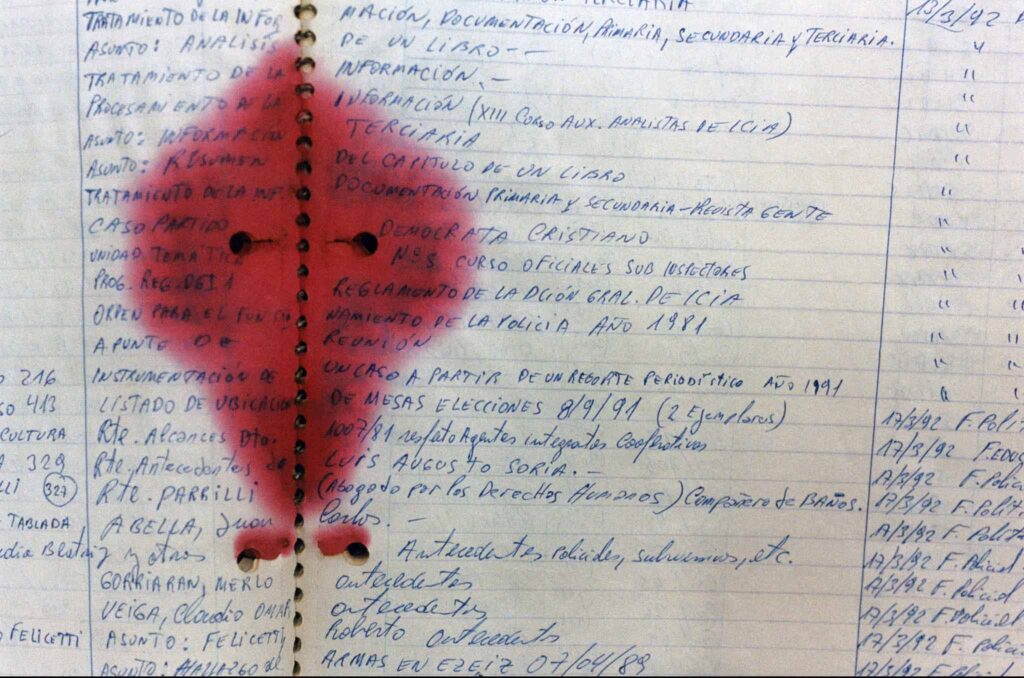


“Manel fue mi maestro de fotografía durante mi exilio en Barcelona, a comienzos de los ochenta. Fue un modelo muy positivo y estimulante de producción visual, fiel a sus obsesiones, serio en el laboratorio, exigente y divertido, moderno y distante, por momentos, en otros amigo cercano, noctámbulo, fotógrafo de la noche, un tipo muy influyente en los fotógrafos de su generación. Manel se ocupó más de sus fotos que de promocionar su trabajo. Durante un tiempo estuvo haciendo fotografía de moda, y estuvo en parte alejado del circuito del arte, del que sin embargo es miembro pleno por su obra. Cuando viví en Madrid, no lo ví. Unos años después de regresar a Argentina, fui con Marcos y Res a Arles, en 1996 y lo ví. Tengo una foto de Julio Grimblatt que recoge el momento en que le muestro las primeras fotos de Buena Memoria, cuando aún no se había expuesto más que en el Colegio. Nos vimos, intercambiamos direcciones, un contacto.
En 2005 fui a presentar Memoria en Construcción en Barcelona y lo invité y nos vimos ya con más tiempo, y nos tomamos algo y nos contamos de la vida. Fue un encuentro muy lindo. Yo ya fotógrafo pleno, como él. Nos planteamos armar algo juntos, y fuimos pensando mostrar paralelamente fotos de nuestra obra hasta que llegamos a la conclusión que era mejor mostrar algo hecho ahora, y ahí fueron apareciendo las correspondencias como idea. Manel ya había tenido un diálogo de fotos por poemas con dos poetas catalanes, que habían participado de un reciente catálogo suyo. Ahí armamos la correspondencia, en la que llevamos casi dos años, y tenemos 34 fotos. La hemos mostrado primero en la sala Cruce de Madrid, luego en la galería VVV de Bs As y también en la galería Fidel Balaguer de Barcelona.”
Marcelo Brodsky















There are photos that literally become burnt into the collective consciousness of a generation or nation. And there are also those images which fail to achieve iconic status, even though they have so much to say about an era and those shaping it, images supplied by photographers from around the world to agencies of which today only a tiny minority ever get published. In an era in which there is a seemingly endless flood of digital images, many events that seem to be unfolding in our world are already forgotten the following day. The often-evoked collective memory? As full of holes as a Swiss cheese and also apparently of very limited capacity. What do today’s forty-somethings know about the ’68 movement today? Thirty-somethings? Or even twenty-somethings? Mostly these are narratives which can be told through pictures; images which bring history to life and enable you to empathize with the situation of those involved; images familiar from television documentaries or school lessons; images which gradually fade from our memory over time.
This is Marcelo Brodsky’s starting point. The photographer Brodsky, human rights activist and long-time director of the Latin Stocks Latinstock photo agency, born in 1954 in Buenos Aires, has achieved a name for himself through his unconventional picture language and technique. His works hang in the great museums of the world, from the London Tate to New York’s Metropolitan Museum of Art. Here the Argentinian sometimes uses original photographs by other photojournalists as the basis for his very special vision of historical figures and scenes. Brodsky transforms photos into works of art by colouring details of oversized black-and-white prints, adding handwritten annotations or sketches to the images, highlighting certain frequently overlooked elements. He expressly explores archives, on the lookout for photos which are able to tell the stories important to him. «The first thing is to identify and sketch the relevant aspects of the image so that they are perceived more intensively by the viewer,» says Brodsky about his creative process. Above all, colour, text and drawings serve one purpose: to create or emphasize emotions.
In his work entitled 1968 – The Fire of Ideas, a highly acclaimed project, Brodsky takes this approach to the extreme. Starting with original press photos, Brodsky’s meticulous process of editing helps create completely unique works, in which the artist is clearly pursuing an objective: to enlighten, to render history comprehensible and tangible; using what he himself calls a very personal virtual visual essay. «Young people do not accept content without pictures today. History must therefore be recounted through images,» says Brodsky. Going even further, he claims: «There are young people who have no idea of what happened in 1968. Because they no longer read, they need to learn through pictures.» This explains why the focus of Brodsky’s work is the narrative, the whole picture, not the original photograph.
Marcelo Brodsky is – quite unusual in the contemporary scene – a thoroughly political artist, driven by what he personally experienced at the time of the Argentine military dictatorship. The Argentinian is seeking to pass on this knowledge, arguing for human rights, drawing attention to injustice, putting his finger in the wound. «Many of the ideas from 1968 are more interesting and true than those discussed today,» says Brodsky. But many issues become distorted and reinterpreted over time. Even photos often lose their authenticity. The internet, the social networks, the flood of images: sometimes it seems that we lack an ordering hand, an expert eye, and thus become lost in visual confusion. Quality media should actually provide this ordering of images: by selecting, weighting, commenting on and verifying pictures and messages. However, the media’s reach and revenue are in decline. In an age of Twitter and Instagram, each and every smartphone user creates an own personal reality. In the end, the hunger for fast, easily consumable news dominates. And some only believe what they wish to believe. Including untruths.
In fact, the world is in need of a greater number of enlightened individuals. More artists. More curiosity and empathy. We believe, thanks to Google, that we know every corner of the planet. But what do we Europeans really know about Latin America? Or more importantly (because more obvious) what about Africa? About the day-to-day life of the people? About politics and culture? About millions of human rights violations? About hunger and wars?
People like Marcelo Brodsky still have a lot to say. And we are curious……
He knew. And he was right. The remarkable British writer, who died ten years ago this April, lived for five decades under the Heathrow flight path in the anonymous suburban London settlement of Shepperton, but in his mind he traversed all the borders of time and space, reporting back from the vast reaches of his imagination in numerous volumes of visionary speculative fiction.
For him the ‘deep assignment’ started with his singular childhood in China under Japanese occupation, and the centrality of this experience to the material and psychic topographies of his writing reveals that his life project was anything but ‘coincidental’. However, it is not only in form and content that such conjunctions reveal themselves. The concern here is about supportive circulation, about networks of sympathy and committed association. For assignments can also occur in the passage of a work through the world, in the encounters it prompts and receives, in the doors and windows it opens, in the thresholds it crosses, for both writer and reader, artist and viewer. In such a light, what might appear on casual examination to be pleasurable chance reveals itself in due course – and taken alongside the accretion of subsequent details – to be anything but; to be, in fact, the working out and through of an almost ordained, even inevitable synchronicity.
Something similar occurred in my rendez-vous with first the art, and later the person of Marcelo Brodsky. In 2004, and without any prior knowledge of either the artist or the exhibition in question, I found myself in London’s Photofusion gallery, surrounded by the extraordinary experience of his Buena Memoria (www.photofusion.org/exhibitions/marcelo-brodsky/).
This affected me deeply of course, emotionally, aesthetically and politically (I had been very active in the UK Latin American solidarity movement of the 1980s and 1990s) but the timing of my viewing was also hugely informed by the extensive planning and pre-production for ‘Here Is Where We Meet’, a six week London season I curated, which celebrated the work in multiple media of the late, great, much missed and internationally celebrated writer John Berger (http://johnberger.org/).
Passionately committed to global struggles for justice, and with a huge admiration for Latin American writers, artists and filmmakers, Berger was clearly a kindred spirit. I bought the exhibition catalogue at once and, when I was next in Paris to see John, I gave it to him. We looked at it together, I told him about the installation. He was very moved by it. So it goes.
Life – and events – moved on; the season happened (a year later and almost exactly to the dates of Brodsky’s show). It was a great success, led to Berger donating his extensive archive to the British Library, and to his renewed status in UK cultural life (he had left London in the early 1960s to live in Europe, a conscious internationalist). He continued to publish important books until his death, aged 90, in January 2017.
Two years later, a friend Gideon Mendel, the renowned South African documentary photographer, resident close by in London, mentioned that he was collaborating with Brodsky on treatments of his own photographs of resistance to Apartheid and that Brodsky was soon to attend the London Art Fair to present his ‘Fire of Ideas’ series.
At the same time I received a message from Sikh poet Amarjit Chandan, also living in the city and a close friend of Berger’s. He and Brodsky had recently been in parallel contact, and Amarjit revealed that John had asked him to work on a shared response to Buena Memoria all the way back in 2004, prompted by the catalogue I had given Berger, but which it turned out he had then misplaced. The intended piece did not happen but letters retained by Amarjit confirmed once more that Berger valued Brodsky’s images and intervention. So it goes.
Finally, therefore, 15 years after the exhibition that prompted this sequence of ‘call and response’, echo and intention, in January 2019 we all met in London, the holding space for these stories and navigations. We raised glasses to the benign ways of the world, to John’s memory and to onward creative dialogues.
Why write about this publicly? Is it not really only of interest to those involved? Perhaps, but at the same time I believe it also illustrates, or rather embodies, even proposes a way we might wish to live in the world. At times of crisis, the question of ‘what matters’ is thrown into sharp relief, along with how to identify priority and need, structures of necessity, in what one does or can do, especially if one’s skills are not clearly of immediate and undeniable practical application (the medical being among the most obvious).
Correspondences like those described above can help enormously in confirming the modest potential usefulness of one’s actions (an idea central to Berger’s sense of how his own writing should operate). They suggest that forms of advocacy, on whatever scale, are indivisible from the nature of what is being advocated; in other words, that works are less a product and far more a process. They are active, and activating. Once made, and all the more so if motivated by progressive desires for the common good, they enter into a systemic dialogue with the possible. They themselves then become repeatedly ‘possible’ in how they might engender welcome and fruitful reactions, and thus continue to move forwards.
And we with them, through a society and a period that lay siege to reason, beauty and dreaming; and yet, without such works – fragile, fierce, passionate, provocative, elegiac and endlessly engaged – where would we be…
In the dark times,
will there also be singing?
Yes, there will be singing,
about the dark times.
– Bertolt Brecht
Gareth Evans is an event and film producer, writer and editor. He is the Adjunct Moving Image Curator at Whitechapel Gallery, London, As well as the season mentioned, he has commissioned and published two original books by John Berger, and wrote a poem for him that gave its title to Berger’s 2007 essay collection Hold Everything Dear.
Du darfst nicht sitzen und alles auf dich zukommen lassen. Du darfst dich vor allen Dingen nicht dem Gedanken hingeben, daß Mächtige über Dir sind, die doch alles bestimmen.
You must not sit and let that everything comes to you. Above all, you must not surrender to the thought that powerful people above determine everything.
Peter Weiss
In 1981, in a passage of the interview given to Heinz Ludwig Arnold, German artist and writer Peter Weiss summarized the fundamental observation conveyed by his three-volume novel Die Ästhetik des Widerstands (The Aesthetic of Resistance, 1975–81) as follows: at any given moment in history―and, at that time, also in many Latin American countries ruled by dictatorships―people have always demonstrated a powerful drive to resist injustice and limitations to their freedom and, moved by a strange principle hope (“einen merkwürdigen Prinzip Hoffnung”), rise up in protest against coercive governments at the risk of their own lives and liberty. Weiss’s book is a dramatized historical account of the proletarian resistance against fascism in the Europe of the late 1930s and into the Second World War. His message, however, is still relevant today and strongly resonates in Marcelo Brodsky’s latest art project, The Poetics of Resistance.
In his books, Weiss, departing from a description of the gigantomachy frieze of the Pergamon Altar in Berlin and its symbolic representation of the constant and ubiquitous presence of revolt and suffering in human history, put the emphasis primarily on aesthetics, that is on the visual experience of art, its educational potential for the viewer and the necessary role it plays in any revolution. Brodsky, on the other hand, addresses the notion of resistance first and foremost from the perspective of a poetic exercise. ‘Poetics’ is the theory of poetry and literary discourse, its origins in Western philosophy can be traced back to Aristoteles and his homonymous treatise (De Poetica, in the Latin translation). While the primary focus of poetics is set on the different components of the text, their interaction and the resulting effects they exert on the reader, poetics does not pertain only to poetry in verses but to any work of art which uses language. Interweaving text, image and colour, Brodsky’s “intervened photographs”, as he defines them, exemplify this theoretical approach and become a poetic instrument of social awareness.
Brodsky is conscious of the power of both images and words. Born in Argentina in 1954, over the past five decades he has progressively developed a unique poetics based on the interaction of, mostly journalistic and archival, photographs and written annotations to achieve his objective: to activate personal and collective memory to communicate a message of resistance that may connect people across time and space. Working at the crossroads between visual arts, poetry and human rights activism, Brodsky’s practice is rooted in his personal history and direct dramatic experience of State-sponsored terror in Argentina. During the Argentine Military Dictatorship (1976–83), his best friend Martín Bercovich and his younger brother Fernando were abducted and disappeared in 1976 and 1979 respectively, a traumatic event which prompted the artist to go into exile in Barcelona, where he lived until the period of military dictatorship in Argentina ended and democracy was restored.
Brodsky, who has owned and directed a photographic agency for many years in Spain and Latin America, does not use the media merely as a source of inspiration. Rather, he turns the media itself into an artwork. Selecting photographs collected in documentary archives around the world, the artist manipulates them: by adding handwritten comments and highlighting meaningful details with the help of bright and vivid colours, he stimulates a dialogue between the pre-existing narratives conveyed by the original sources and his own interpretation of those texts and images. Brodsky has been employing this strategy since 1996, when he realized Buena Memoria (Good Memory), one of his most celebrated and iconic works to date. Departing from an enlarged black and white group photograph of his class taken at school in 1967, at the age of thirteen, Brodsky intervened it with annotations, drew circles, arrows and crosses to visually trace to date the destiny of the children portrayed on the image. His comments read like succinct epitaphs celebrating heroic patriots: “Claudio was killed fighting the military”, “Pablo died of an incurable disease”, “Martín is the first one they disappeared”, “Ana went to live in Israel”… This modus operandi is still at the base of the artist’s most recent projects, but over the years it has greatly gained in strength, both in style and in the variety of its contents.
Brodsky can lean on a long standing tradition in Argentina, the inception of which dates back to the second half of the 1960s, when media theory based on the work of Marshal McLuhan, Umberto Eco and Roland Barthes was taught at the Instituto Torcuato di Tella in Buenos Aires. These theories inspired several vanguard projects like the legendary “Tucumán arde” (Tucuman is Burning) as well as an entire generation of artists slightly older than Brodsky – such as Marta Minujín, Eduardo Costa, Raúl Escar and Roberto Jacoby – to use media not just as a tool for transferring information but also as a critical “device for the exaltation and construction of alternative realities”. Brodsky’s work is an ongoing reflection on the way in which media affects reality (and its memory), and contributes to the shaping of national cultural identity through the diffusion of heavy edited self-portraits of the society it depicts. But his work is also an investigation of how media can be transformed into an instrument capable of creating awareness of such patterns, while instigating discussion among present and future generations. As he explains: “Photography’s potential to record imperceptible changes and the passage of time in each person’s face might be extended exponentially to register human experience, artistic events and performative actions that draw a sort of map of collective action, creating a socio-political itinerary of gestures, dramatizations, positions and provocations. It would be a kind of social aura, a collective imaginary.”
The Poetics of Resistance reunites two major groups of works created by the artist between 2014 and 2019: 1968. The Fire of Ideas, composed of 55 intervened archival photographs devoted to the international mobilisations and protests of workers and students in 1968, and the series of 20 images centred on the decolonisation process in Africa and its progressive transition to independence during the second half of the 20th century. The project also encompasses two further and still ongoing lines of inquiry by Brodsky, devoted to the anti-Franco resistance in Spain and to today’s burning question of migrants and refugees―in which, for the very first time, the artist engages in a reflection on contemporary issues. Adding annotations and clearly non-impartial captions, Brodsky recounts historic episodes of major turmoil and revolution: from the anti-Vietnam War protests in London to the struggle for the independence of Congo and the rebellions caused by the murder of his anti-colonialist Prime Minister Patrice Lumumba in 1961; from the 1968-revolts of the student unions in Dakar requesting more political freedom from President Léopold Senghor to the violent state of emergency in South Africa during the anti-Apartheid struggle in the 1980s. Departing from black and white photographs documenting social and political events around the globe, Brodsky’s plastic and textual artistic interventions aim at engaging the viewer, regardless of where he or she lives and whatever his or her background is, not just in a conceptual and aloof reflection on those historical moments and histories of resistance, but in a responsive and personal identification with their protagonists. What is the relation between the bloody repression of the student protests in 1968 pre-Olympic Mexico and the disappearance of 43 students in Ayotzinapa on September 26, 2014? Is there a connection between the current migrants’ crisis in Europe and Africa’s colonial past? These and similar questions are raised by Brodsky’s works and addressed to the viewer.
Brodsky is particularly committed to speaking to younger generations. He knows very well that, in the time of social media and instant communication, this can happen effectively mainly through images and short messages. “Professionals of the image like me”, he points out, have the “responsibility” to positively shape the way we make use of them in our society.
As a human rights activist―he is one of the co-founders of the Parque de la memoria in Buenos Aires―Brodsky believes that his artistic practice can help to effect positive change by promoting awareness in people, worldwide. His work is an empowering manifestation of that strange and absurd, but nonetheless strident hope referred to by Peter Weiss, that is the common denominator of past and present human action and desire, and which prompts the urge to act and to bring about change that is at the hearth of every gesture of resistance. Participating in the “global discourse about historical trauma”, Brodsky’s intervened photographs are “memory art” with a strong impact on our present and future: intensely visualizing past traumas, they counteract the fatalism that too often inhibits us from resisting, taking action and contributing to revolutions big and small which take place daily, around the world.
Marcelo Brodsky, artista y activista de los derechos humanos, trabaja con imágenes y documentos de eventos específico para investigar ampliamente los problemas y acciones sociales, políticos e históricos. Quiere que los espectadores sean conscientes de momentos históricos, algunos de los cuales lo formaron a él, a su familia y a muchos de sus amigos. Más específicamente, y como muchos de los de su generación en Argentina, Brodsky fue atacado durante la dictadura militar, que durante siete años de reinado del terror, fue responsable de la tortura y muerte de entre 10.000 y 30.000 argentinos, incluyendo al propio hermano menor del artista, Fernando. Brodsky escapa de la mano de los militares y vive en el exilio hasta que la dictadura finaliza en 1983. Aunque que las experiencias personales instigan y dan forma a sus impulsos artísticos, educar al público con la esperanza de prevenir a otros de tal terror, es su motivación más fuerte.
Para hacer que los momentos elegidos y sus consecuencias sean accesibles al espectador, Brodsky se acerca al material de diversas maneras. Constantemente su arte nos muestra un profundo entendimiento del potencial poder de las fotografías, tanto al momento de su creación como noticias y, para algunos, su vida subsecuente en publicaciones y memorias. Por décadas, Brodsky fue dueño y director de una agencia de fotografías en Latinoamérica. Su éxito dependió en parte de su conciencia sobre qué fotografías atraerían a un mayor público internacional. Él también comprende cómo utilizar las secuencias de imágenes, ya que la percepción de una simple imagen cambia cuando es emparentada o secuenciada con otras. También entiende y emplea textos en concierto con las imágenes para dirigir las percepciones del espectador, incluso cuando las palabras son aparentemente neutrales. Apasionado y determinado, Brodsky no tiene intenciones de ser neutral.
Aprende a fotografiar durante su exilio en España e incluye en esta exhibición fotografías tomadas en aquel primer año en soledad. Incluso entonces, él amplia el contexto de un autorretrato aparentemente inocente, haciendo una referencia a su propia ejecución parado sobre la pared de la plaza San Felipe Neri en Barcelona, donde el General Francisco Franco disparó a patriotas Republicanos durante la Guerra Civil Española. Algunas veces, él emplea fotografías de otras personas, como las películas de 8mm de su padre, donde sus hijos jugaban a la guerra con arcos y flechas, mucho antes de que la “Guerra sucia” o sus horribles consecuencias fueran imaginables. Puesta en el contexto de los otros trabajos, esta pieza inocente es redireccionada desde un dulce recuerdo de juegos de la infancia hacia la separación de los hermanos luego de que Fernando fuera secuestrado y desaparecido por la dictadura militar en 1979.
En otros trabajos que incorporan fotografías ajenas, ha sido siempre muy cuidadoso de tener la licencia de los derechos. El acceso a esas imágenes le permite hacer paralelismos entre eventos internacionales interrelacionados.
El trabajo más famoso de Brodsky es Buena Memoria, creado en 1996, pero tomado de una fotografía de 1967, de su clase en el Colegio Nacional de Buenos Aires. Redimensionándola y escribiendo textos sobre las figuras, comprime fuertemente el tiempo entre aquel entonces y ahora. Sobre los cuerpos y caras de los adolescentes, las palabras identifican quiénes fueron secuestrados y asesinados, quiénes partieron al exilio, quienes quedaron mentalmente dañados por la junta militar y quiénes viven vidas que aparentemente no fueron tocadas.
En otros dos trabajos, Brodsky ancla la historia Argentina con la de otros países. “I Pray with my feet” muestra imágenes de dos importantes rabinos, ambos conocidos por ser grandes defensores de los derechos civiles. El Rabino Abraham Joshua Herschel fue un estimado teólogo y profesor en el Seminario Teológico Judío en Nueva York. El Rabino Marshall T. Meyer fue estudiante y secretario personal de Herschel antes de trasladarse a la Argentina en 1959. Brodsky une el rol activo de Herschel en las marchas por los derechos civiles de los años sesentas en Estados Unidos con la constante crítica de Meyer al gobierno Argentino, hablando por los desaparecidos y consolando a sus familias durante la Guerra Sucia.
En “1968, el fuego de las ideas” Brodsky nuevamente muestra estudiantes y liga eventos en Argentina con aquellos que sucedían en el mundo, en la turbulencia social a finales de los sesentas.
Los manifestantes estadounidenses participaron de la Marcha de los Pobres en Washington, concebida por Martin Luther King unos meses antes de su asesinato; manifestantes en Londres en contra de la Guerra de Vietnam. En Bogotá, México, Córdoba, Río de Janeiro y San Pablo, trabajadores y estudiantes hacían campaña en contra de los regímenes militares y otros tipos de estructuras gubernamentales. Son mostrados con los brazos unidos, flameando banderas y pancartas, promoviendo acciones callejeras masivas para reclamar por sus derechos. La pieza también incluye extractos de discursos de Martin Luther King, el Che Guevara, Daniel Cohn Bendir, Herbert Marcuse y Agustín Tosco, quienes con sus ideales motivaron a la mayoría de los manifestantes.
Una pancarta en la manifestación Parisina que se muestra, incluye un grito de “L’imagination au pouvoir” (la imaginación al poder). Más que un llamado a “decir la verdad en el poder” que sonaba en otras manifestaciones de la era, los Parisinos pedían por el final de todos los límites, incluso en la imaginación.
Brodsky es más práctico. No pretende liberar a la imaginación de toda restricción, sino potenciarla, utilizándola contra el poder corrupto y brutal. Tanto si nos invita a aprender y no olvidar las atrocidades del pasado, a honrar a los líderes justos o, como en su más reciente campaña, a mantener la presión en las autoridades para resolver y procesar los más recientes asesinatos en masa impunes. La causa actual es en favor de 43 estudiantes desaparecidos de Ayotzinapa, México, que desaparecieron el 26 de septiembre de 2014. Para este proyecto, Brodsky retoma el motivo de la foto de la clase, pidiéndole a estudiantes alrededor del mundo que posen en gradas sosteniendo un cartel demostrando su apoyo a la “verdad” que concierne a los estudiantes muertos o encarcelados. Él quiere a los estudiantes conscientes, tanto de los problemas como de su capacidad de protestar, y a partir de esto se ha organizado una exhibición y un libro de sus fotografías para mantener vivo el
What are revolutions, if not a fire of ideas that boils inside of us, making us dream of better lives in a fair world?
Marcelo Brodsky is a revolutionist, a human rights activist and above all he is a man who is using visual art to create an awareness of our world. In a very critical and conscious way, he investigates through images, words, and documents – specific memories that have shaped our collective history and tremendously impacted his life and family. At the forefront is the Argentine military dictatorship (1976 – 1983) and its effect on his life or better yet on his generation. It was a regime of terror ruled by a state that systematically executed and made ‘disappear’ thirty thousand citizens, including his older brother Fernando and his best friend Martin Bercovich. Fortunately, Brodsky escaped to Barcelona where lived in exile until 1984. During this time, Brodsky learned the art of photography and its power as a tool in addressing social issues with a highlight on the psychological ordeals of migrants. The products of his journey into this field are works etched with collective memory, an element, which continues to be a strong pillar in his artistic practice.
In a bid to understand his identity, Brodsky on returning to Argentina at the age of 40 embarked on a systematic investigation into his personal photo archives. It was a 1967 picture of his high school class that sparked a deep curiosity to know the fate of each person in that photograph. The encounters on his quest for truth birthed what is now his most famous work – “Buena memória” (1996). In this project, the photograph “Class Photo 1967”, is drastically enlarged and the artist meticulously identifies in handwriting, the fate of each of person – killed, missing, exiled, traumatized during the ‘dirty war’. “Los Compañeros”, forms another aspect of this poignant project. It’s a video that captures one of the most striking and emotional moments of this reunion, celebration and recognition at the Colegio Nacional de Buenos Aires. This was the first official ceremony by the school authorities, recognizing (20 years later) the 98 students who were killed during this tyrannical regime. In “Los Compañeros”, the artist alternates facial elements of his classmates with images captured during this ceremony alongside voices that call out the names of the victims. Nevertheless, after much delay due to a lethargic justice system, the perpetrators responsible for Fernando’s murder were eventually sentenced in 2017. Hence the project Buena Memória, composed of family photo albums, videos, intimate and literary records may be comprehended as a collective memorial for both the fatal victims and the living ones who have survived the most atrocious period in Argentine history.
In his art project “1968: The fire of ideas (2014-2018)” that gives the title of this exhibition, Brodsky proposes a historical revision of the ideas of the late sixties, which are still very pertinent in contemporary times. The project is now a photo-essay of 50 archival images of political upheavals of students and workers across the world. These black & white photographs are meticulously handwritten on, drawing our attention to details of strength, energy and action. A visual re-contextualization that enables a deeper understanding of the past and of the impact of these fights in our society today.
1968 was a post-war period when people (collectively) were feverously awakened for a demand of rights and fresh ideals. The streets echoed with voices yearning for change. From the most violent to the pacific demonstrations, Brodsky transports us to many of these nations – Argentina, Brazil, Colombia, United Kingdom, Mexico, USA, Uruguay, Mozambique, Portugal, France, Spain, Japan, Australia, Senegal, India and even the former Czechoslovakia, where fists were raised demanding the end of oppression. They called for an end to despotic regimes and beckoned human, social and political rights. An essay that also encompasses a sound installation with speeches given by Agustin Tosco, Che Guevara, Daniel Cohn Bendit, Herbert Marcuse, Martin Luther King and Rudi Dutschke that feed the minds of many of these protesters.
Perhaps Europe in 1968 is better known as the Paris’68 mobilizations, when demonstrations, strikes and occupations happened across the country. It also chronicles this spread to other European cities yet neglecting the similarities of those within non-western contexts. A good example is the connection between France and Senegal, with their strong legal link via the Agreements for Cooperation. Senegal for instance is known for being a “well integrated society” where many African students were enrolled in French universities while French students attended the University of Dakar. Ideas and thoughts therefore were effortlessly shared. In May 27, the Senegalese student’s association eager to gain autonomy from a neo-colonialist system incited a huge boycott to the university examinations as a revolt against France. These riots forced the then president Léopold Senghor to declare a state of emergency across the country. The strength observed in Brodsky’s image of Dakar, 1968, portraying a street occupied by thousands of shoes make us ponder about the number of people involved, not to mention the sheer violence employed across the city by the police.
The series also features new revived photos from Portugal and its former African colonies. They echo the sentiments of students under Salazar’s despotic regime, the consequences of their protests, and the gains made in the fight for Democracy in Portugal and for Independence in the African countries. A curious fact in the Portuguese context is the strategy employed by the students to overcome the tough censorship while reaching a wider audience. The National football championship was used as propaganda opportunity to express their discontent with the established system. Alongside Brodsky’s powerful imagery is the documentary of Ricardo Martins “Futebol de causas” that thoroughly unveils this mark in history, something that clearly was omitted from the four daily editions of the capital newspaper “Diário de Lisboa”.
The year of 1968 must have shaken “the world”, but it took a while to reach Australian shores as their passive disposition to new ideals, revolutions and inter-territorial pillage was unchanged – “other peoples’ problems and not ours”! Therefore, their revolutionary spirit was only fully awakened in the 70s around the tail end of the Vietnam War. After a period of loss and grief it was more than necessary to revive the nation and a new sense of multicultural identity was promoted. Pulsating with keen Australian nationalist sentiments is Marcelo Brodsky photograph of 1972 Sydney’s manifestation. At the forefront is the indigenous Australian flag followed by posters with messages that advocate for ethnic equality and land rights. More importantly, Brodsky highlights “freeland” a word that represents this new dream among Australians – an ideal that resonated and still resonates today.
The voices of other artists are very present among Marcelo Brodsky’s 1968’ Fire of Ideas’ including the period where artists and students protested against the censorship in Brazil or when the Belgian artist Marcel Broodthaers played a crucial role in the cultural protest and occupation of the Centre for Fine Arts (BOZAR) in Brussels.
These photographs of Brazil represent important events in its people´s history against the military’s despotic regime. Likewise for Argentina, as people were tortured, raped, killed and arrested. Violence against women was systematic. In one these iconic photographs, the artist captures with bright colours five actresses on the frontline of a protest – five sex idols of that time fighting for women’s rights. Brodsky employed the monochromatic style in other photographs, while focusing colour on the militant messages for democracy and culture that were carried on large banners. Cultural censorship lingers again in Brazil, citing the recent closure of the art exhibition Queermuseu – Cartografias da Diferença na Arte Brasileira for which the curator Gaudêncio Fidélis is still in court for defamatory allegations.
In the case of Brussels, artists and militants took over Bozar as a means to contest the cultural politics of the country. Marcel Broodthaers was the mediator for the requests of higher levels of arts education and a museum of modern art. The ensuing revolts serve as a muse to Brodsky, who selects three images. Off the three, two images capture moments inside Bozar, in which one shows Broodthaers speaking, while CFA’s director Paul Willems listens attentively from the corner of the image. The third image captures the 1967 “Belgian anti-atomic walk” organized by the Total’s group, outside Bozar. A participatory artistic performance where Jacques Charlier’s transparent flag was hoisted amidst the other protesters. In the ritual of protest, they have their lips crossed with band-aids while distributing transparent leaflets to bystanders.
It was also during this turmoil of 1968, that Marcel Broodthaers conceived the Musée d’Art Moderne, Département des Aigles. Subsequently, during Bozar’s manifestation he relinquished being recognised as an artist and appointed himself as the director of his own museum. Undoubtedly, this was a vital project in the debate of the role of art and the function of the museums in society.
Both Brodsky and Broodthaers share a common background in poetry and the use of word as a visual language. Similarly, both artists are skilled in the ability to foment dialogues that question hegemonic narratives. For Lisbon’s exhibition, Brodsky’s correspondence with Broodthaers’s works ( from the collection of MACBA of Barcelona) creates a new series of artworks, along the line of visual dialogue and engagement. For example, in “Project pour une conversation”(2018) while performatively interacting with Broodthaers’s film “La pluie (projet pour un texte)”(1969), he positions himself both as the observer and as an obstacle between the film’s action and the audience. Thus creating multidimensional layers of interpretation of visual languages for the viewers to interact with.
Additionally, by fragmenting the original film through the use of photography, he promotes a new conversation about the power of language through the dichotomy of the moving image and the silence created in-between each still image captured. In the film, the water relentlessly erases each word that Broodthaers writes, and he keeps writing. Similarly, Brodsky reminds us that every word and every action have power and meaning and that we should pursue our convictions. This attempt at dialogue demonstrates the role of artists as critical thinkers in society and how they can contribute to a ‘revision’ of our perception of the space of art .
Marcelo Brodsky’s works are composed of powerful and aggressive images of strength that shake us up, challenging us to participate. We are confronted by a series of questions and reinterpretations, stimulating parallels with our time, our public space, our histories, our relationships with memory and with our neighbours. On the other hand, they instigate debates around the role, necessity and contribution of the arts to create spaces of freedom. In the fiftieth anniversary of 1968 which celebrates the vindication of these revolutionary ideas, we come to realize that we are still surviving violent times – Brexit, Donald Trump, xenophobia, gynophobia, massacres, etc. The work of artists like Marcelo Brodsky can make a difference by showing that the world will not get better if we just let it be!
…para que pueda ser he de ser otro,
salir de mí, buscarme entre los otros,
los otros que no son si yo no existo,
los otros que me dan plena existencia,
no soy, no hay yo, siempre somos nosotros… Octavio Paz
1.
Si el “otro” es el primero de los dones, si es aquello que le da verdadero sentido a la existencia, entonces el diálogo es privilegio, creación compartida, posibilidad y deseo de inventar con otro un universo sin renunciar al propio rostro; es responsabilidad y a la vez juego, reflexión y provocación. En el diálogo somos lo que se da: nos damos a nosotros mismos, para mostrarle al otro que aquí estamos, que nos interesa, que lo necesitamos.
El diálogo nos permite descubrir lo que nos hace semejantes, pero también lo que nos diferencia. Es el reto máximo de aceptación, donde la tensión y las contradicciones, los acuerdos y las diferencias se resuelven en una mirada doble, en una búsqueda de a dos.
2.
El género epistolar ha puesto en escena históricamente la riqueza del diálogo. Si alguna vez convocó, en tanto género literario, el cuidado de las palabras, la caligrafía exquisita, las largas páginas de reflexiones y confesiones, hoy se ha transformado en un intercambio vertiginoso, en breves mensajes que llegan inmediatamente al destinatario al apretar “send”. A pesar de esto, o gracias a esto, la correspondencia vuelve a estar presente en nuestra vida cotidiana. Hoy nos asomamos al correo electrónico muchas veces con la misma ansiedad con que en otras épocas corríamos a mirar el buzón.
Con otro estilo, con otro ritmo, pero aquí están las cartas, los mensajes… Ya no es el intercambio entre Sor Juana y una mentida Sor Filotea, o la carta de Lord Chandos justificando su silencio, o el epistolario entre Hanna Arendt y Martín Heidegger. Hoy la primacía la tiene lo instantáneo, lo inmediato, lo veloz.
Y sin embargo…
3.
Marcelo Brodsky y Pablo Ortiz Monasterio (y viceversa) se propusieron jugar con estos dos elementos – el diálogo y la correspondencia – a partir de las imágenes. Así fueron creando una conversación visual que tiene algo de familiar y de inquietante a la vez (al estilo del Unheimlich freudiano), de perturbador y lúdico, de provocador y divertido. Esta suerte de dominó jugado a la distancia, que parece combinar el azar presente en los “ready made” con la densidad de la memoria fotográfica, le da un nuevo significado al instante. Instante de apretar el disparador de la cámara. Instante de decidir enviar la fotografía. Pero, sobre todo, instante de articular de manera doble una chispa poética, un reflejo irónico. Juego sugerente que apela a la capacidad de relación tanto como al factor sorpresa, desde lo conceptual o desde lo formal. Así, a ciertas formas le responden formas semejantes, o provocan un giro destacando aquello que quiebra la continuidad. Que le da otro sentido. Que la carga con otra propuesta.
Los rostros, los cuerpos, las ramas, las piedras, las fotos de fotos, lo que se construye y lo que se “encuentra”…todo va armando un universo lúdico, un universo en perpetuo movimiento, salvo en ese 1/125 de segundo que tarda el obturador en dispararse – como decía Cartier-Bresson –. Los homenajes y las citas son parte ya de la reflexión contemporánea sobre el arte. Cada obra, cada foto en este caso, es suma y síntesis de la larga historia de las imágenes, pero es también descubrimiento y fundación.
El juego es tal porque convoca aquello que marca nuestra vida, el deseo, el dolor, el recuerdo, el erotismo, el humor, el disfrute absoluto de la creación, y nos propone sumergirnos en la propuesta y salir de allí renovados. Uno de los dos fotógrafos (¿de los dos personajes?) a veces se “dispara” con la imagen enviada, y el otro hace, entonces, de cable a tierra, de contención o de intérprete; o de pronto los dos se regodean con la casualidad, con la sorpresa, con la ironía que surge de una imagen. Porque saben que hay que aprender a “escuchar” al otro, dejarse provocar y seducir por él, y buscar la respuesta que permita descubrir o iluminar la imagen que reciben. Como sucede en cualquier buen diálogo, es y no es para los otros. Somos un poco voyeurs (¿acaso la fotografía no convoca siempre a los voyeurs?), los que espían por la cerradura para ver quizás que hay un espejo del otro lado, o tal vez para descubrir que Tiresias ha recuperado la vista. Y ahí estaría la magia: en compartir la emoción de la primera mirada.
Hacia 1925, André Breton y algunos amigos surrealistas se pusieron a escribir frases sucesivas sin ver la precedente doblando el papel al pasarlo de mano en mano, lo que derivó en un poema colectivo cuyas primeras palabras fueron «El cadáver exquisito beberá el vino nuevo…». Quedó así el término «Cadáver exquisito» como nombre del ejercicio aleatorio que un par de años después se aplicaría también a los dibujos construidos por distintos artistas siguiendo el mismo procedimiento. Durante los años ’50, nuestros poetas Nicanor Parra, Enrique Lihn y Alejandro Jodorowsky realizaron obras semejantes con recortes de titulares e imágenes de diarios que pegaban en grandes pliegos, variante bautizada por Parra como «Quebrantahuesos». Ahora, en estos días, se exhibe en la galería AFA una versión particular iniciada recientemente por el fotógrafo argentino Marcelo Brodsky (1954), en la cual él le envía una imagen suya a otro fotógrafo, el que le responde a su vez con una fotografía propia, desarrollando un diálogo. Brodsky ha llevado a cabo estas «Correspondencias» con distintos autores internacionales, exponiendo en este caso su intercambio con el fotógrafo inglés Martin Parr (1952).
Los resultados del proceso a lo largo de un año dejan ver cómo el intercambio comienza en una suerte de diálogo de sordos para culminar en el momento justo en que los envíos recíprocos empiezan a hacerse previsibles. Es insólita la primera imagen de Brodsky, tanto como la respuesta extrema que le envía Parr, pero así, poco a poco, se empiezan a distinguir las sensibilidades de ambos autores, involucrada afectivamente la de Brodsky y anecdótica y distante la de Parr. Parr es conocido por su documentación descarnada de la sociedad transversal contemporánea y su mecanismo impertinente de trabajo, trasuntando incluso cierto desprecio por sus temas y sujetos, en tanto Brodsky, quien acá intenta sustraerse de la nostalgia reivindicativa de su obra, esencialmente política, exhibe imágenes primero familiares y luego más azarosas, para terminar intentando seguir la pauta indiferente a la vez que provocativa de Parr. Cuando éste empieza a imponer la suya como la última palabra, Brodsky opta por retirarse, con el sabor crudo y frío del vino nuevo en la boca.
Dos fotógrafos, Manel Esclusa (Barcelona, 1952) y Marcelo Brodsky (Buenos Aires, 1954) han desarrollado a lo largo de varios meses una peculiar correspondencia, basada en el intercambio de imágenes. Un diálogo trenzado con una gramática compartida, que prescinde voluntariamente de las palabras y se concentra en las propiedades de la fotografía para estimular la mente del espectador, del mismo modo que lo puede hacer la música. En cierto sentido, recuperan el concepto de “equivalencias” acuñado por Alfred Stieglitz en los años veinte para dar título a una de sus series, en donde el sujeto fotografiado desplaza su significado hacia un territorio semántico cuya naturaleza se asemeja a la poesía.
Brodsky fue discípulo de Esclusa, uno de los autores referenciales de la fotografía española, durante su exilio en Barcelona a comienzos de la década de los 80 y recupera, 15 años después, aquella relación proteica mediante un epistolario visual que rinde homenaje a la poderosa influencia creativa de su maestro. A pesar de haber desarrollado trayectorias fotográficas divergentes – Marcelo se ha concentrado en la memoria colectiva de los argentinos y las consecuencias de la dictadura militar- ambos exploran en este proyecto una comunicación no verbal que trasciende el mero intercambio de información documental. Para ello utilizan elementos de fuerte carga metafórica como el agua y el tiempo. El agua como símbolo de transmutabilidad, un recurso que nos permite reflexionar sobre la inaprensible realidad y el paso del tiempo a través del débil rastro que dejan las impredecibles contingencias vitales. Conceptos de difícil representación que encuentran en la fotografía un soporte adecuado a esa fragilidad icónica y a su potencial simbólico.
En un momento en que la comunicación es sinónimo de inmediatez, Esclusa y Brodsky apuestan por ralentizarla, facilitando el poso de las ideas; una actitud casi melancólica, que rememora el lapso temporal que mediaba entre la toma de una imagen y su contemplación una vez completado el proceso de revelado. La fotografía y las nuevas tecnologías puestas al servicio de una tradición ancestral: el intercambio epistolar entre un maestro y su discípulo.
El proyecto de MARCELO BRODSKY ofrece una narrativa subjetiva en la que la fotografía actúa como memoria. A menudo los artistas se apropian de imágenes públicas y las resignifican con un sello personal. Brodsky toma el camino contrario: se apodera de fotografías de álbumes privados y a través de la escritura de datos las inscribe como testimonios públicos.
En su obra Mito fundacional (2014), Brodsky realiza un trabajo de resignificación de fotografías de archivo en el que cuestiona los modos de enunciación de la modernidad asociados a los mecanismos de control del Estado. A través de una instalación visual, conformados por mapas, textos, imágenes y documentos intervenidos por el artista, se construye una aproximación narrativa al conflicto político y al proceso de paz iniciado en Colombia. Mito Fundacional pone en evidencia desde el archivo el proceso constitutivo de la violencia: El album personal, como un modo de construir identidades y la memoria de una comunidad, una herramienta narrativa pensada en clave personal que sin embargo se abre a nuevas líneas de interpretación que parten de lo visual y se proyectan hacia lo social, histórico y colectivo.
En el marco de una minuciosa investigación del artista, Brodsky accede al álbum fotográfico personal de un teniente del ejército colombiano, en el archivo de fotografía de Londres especializado en conflictos contemporáneos, (The Archive of Modern Conflict). El artista se sirve de este álbum que retrata una trayectoria vital y una experiencia militar personal y presenta las distintas etapas de la vida del oficial. La historia arranca en las guerras entre liberales y conservadores, en el perìodo de La Violencia , pasa por el destino del oficial en la guerra de Corea y se transforma radicalmente durante la operación del Ejército de Colombia en Marquetalia, en 1964-65.
El tríptico contienen imágenes cosidas a mano sobre un mapa de América del Sur en el siglo XVII. En 1628 toda la Amèrica del Sur hispana era la misma colonia. Tres paneles muestras etapas distintas en la vida del oficial, ilustradas con sus propias fotografías. La etapa de su formación militar en Colombia, la etapa de su participación con el Batallón Colombia en la Guerra de Corea junto al ejército de Estados Unidos y la etapa de su regreso a Colombia, donde fue uno de los jefes de la operación militar en Rio Chiquito, u Operación Marquetalia, una de cuyas consecuencias fue, según muchos expertos y académicos, la formación de las FARC.
La obra articula a partir de la idea de archivo, retomándolo y a la vez subvirtiendo su uso. La misma plantea conexiones, algunas inesperadas o poco conocidas, que hacen a la guerra civil colombiana, cuyo proceso de paz se encuentra en estado de avance. En un abordaje de los acontecimientos históricos relacionados, el artista releva un cuestionamiento sobre los orígenes del conflicto, y sostiene que la alternativa entre diálogo y represión ha sido la misma durante los 49 años en que se extienden los combates entre el gobierno colombiano y las FARC, desde que empezó el conflicto militar hasta las últimas elecciones presidenciales y el proceso negociador en La Habana.
There is a measure of ambiguity about the title of Marcelo Brodsky’s 1997 project, Buena memoria; un ensayo fotográfico. This volume brings together images of the Buena Memoria project, Brodsky’s own commentary on it, and a series of texts by prominent Argentine writers of the generation of the 1976-83 neofascist dictatorship in Argentina, novelists Martín Caparrós and José Pablo Feinmann (also a prominent screenwriter), and poet Juan Gelman. The conjugation of all of these elements provides for a complex cultural product that involves much more than only photographs for exploring the persons of a group of disappeared individuals.
The Buena Memoria Project centers on the class photograph of students in the 1er Año, 6ta División, 1967 of the prestigious Colegio Nacional of Buenos Aires, Argentina’s premier college preparatory institution and historically one of the best in Latin America. In 1967, the group of students in question was in its first year of studies, and the photograph is of those who belonged to the sixth class division (or what the British call form) that would basically completed classes together as a single coterie during all six years of the program of study. Argentina was, in 1967, in the second year of the military dictatorship that assumed power in 1966 and that would allow for elections in 1973. Between 1973 and 1976, Argentina experienced a transitional, basically weak and inept democracy, built around the legendary return in 1973 of Juan Domingo Perón from twenty years of exile; the aging and ailing Perón’s inability to effectively govern Argentina upon his return and his death in 1974 precipitated the social dissolution that would lead to the unabashed neofascist tyranny of the 1976-83 period.
The students pictured in Buena memoria would have graduated in 1972, and many of them evidently became involved in a range of political and social activities that led to the disappearances recorded by the project; one of those so disappeared was Brodsky’s brother Fernando. It is important to note that there is no necessary correlation between those involved in protest activities and those who were disappeared, in the sense that the complete lack of any form of institutional justice, constitutional guarantees, and the coherent administration of a penal system meant that one could end up arrested, tortured, imprisoned, and killed for the most tenuous of reasons, without any proof ever forthcoming–not then and not now–as to the exact circumstances surrounding the disappearance of any one individual. Although the Argentine Dirty War–the height of the repression and the disappearances in 1978 and 1978–has often been compared to the Jewish Holocaust at the hands of the Germans (see Ese infierno 296-300 for one such comparison). In the case of the latter, there was a concrete, albeit appalling, motivation: the fact of being Jewish (in addition, to be sure, of other categories that were also the object of the Final Solution). During the Argentine Dirty War, beyond the deliberately vague designation of «subversive,» which could and did cover so many forms of social conduct, there never was a coherent way of understanding the basis for which any one individual might be disappeared. One often heard the affirmation «Por algo será» (There must be some reason), but the State never felt it needed to provide any (the place to begin to understand these issues is Nunca más, the report of the national commission on the disappeared).
Thus, it is imperative not to draw specific conclusions from the group of disappeared ex-students featured in Brodsky’s project, at lest in terms of specific political action programs. This observation is important, because Fernando Brodsky, like many of his fellow students at the Colegio Nacional, was Jewish: the Colegio was one of the major Argentine institutions for Jews to gain social mobility in a society that still has some marked record of anti-Semitism. Moreover, this anti-Semitism was particularly pronounced during the periods of military dictatorship, and Jacobo Timerman and others (Feitlowitz 97-109, for example) have made the point that Jews were particularly singled out for persecution by the forces of repression: the intensely reactionary Catholicism that marked the military dictatorships led as a matter of course to an anti-Semitism that saw in the Jews of Argentina–the largest Jewish population in Latin America and one of the top sixth in the world–a direct threat to its concept of an appropriately Christian national reorganization. It is only on this basis that Jewish names, prominent at the Colegio Nacional, are also prominent in the inventory of the disappeared of the 1er Año, 6ta División group of students.
What is anbiguous about Brodsky’s title is the conjugation of the adjective buena with the noun memoria. To be sure, there is nothing problematical in memories being good: good memories are one of the great defenses against the depredations of daily life. However, Buena memoria is clearly not about good memories: the cover of Brodsky’s book includes a fragment from the Colegio Nacional class picture, with the photographer’s superimposed annotations on the details of the disappearance and murder of class members. Buena memoria is an exercise in the recovery of memory, not necessarily a suppressed memory, but a member that has slipped away, in the way in which one asks as to the whereabouts of past friends with whom one has lost touch. There is a specific ideological weight attached to classmates, especially those that were part of the group with which one graduated from high school. High school graduation is concerned in most Western societies a major turning point in one’s life, and the festivities and commemorations of high school graduation serve to monumentalize that event and to hypostatize the coterie of individuals associated with it. If there is a nostalgic return to youth associated with high school reunions, or, at least, with the contemplation of their evocative power, it is less as a return to an innocence perceived to have been lost under the weight of harsh and disappointing lived experiences.
Rather, one returns to a moment of the first fullness of personal identity: completing high school is usually taken to mean the first step in forging a personality, a routine of life, and a place in the world, themes that one recalls with satisfaction or despair as one actually progresses through the trajectory of one’s life. Moreover, for these youths there was an exceptional promise: they were graduates of the best prep school in the country. As a channel of opportunity for youths of real and exceptional talent, the Colegio Nacional has also been important as an factor in social mobility, and it is important to note that the children of immigrant families, especially to be seen in the impressive statistics of students with Jewish names, are especially well represented in the 1967 roster.
Thus, indeed, the ambiguous nature of the title is grounded on a dramatic irony: one might expect the return to the class picture made sacred to be beneficent, but it cannot under the circumstances of the book. No amount of wishful thinking, no among of the nostalgic driven revision of the past can overcome the brutal facts of the fate of some of the membrs of the 1967 classmates. There is, therefore, less of a dynamic of an optional, occasional return to the emotional oasis of the past class pictures typically provide; rather, what is operant here is the imperative to return to that past and connect it to a historical trajectory that is part of a nightmare of history in which these individuals are frozen, with all of the sense of congealed human experience we have come to associate with the semiotics of photography. Brodsky’s title resemanticizes the master photograph of this exposition, a photograph which, in fact, is not even his. And in the process of resemanticizing that photography, his project resemanticizes the sociocultural experience of the class photograph, building for it a historical meaning quite supplementary to its original intent. In this sense, this is a photography of found objects, but where the object is, rather than a material constituent of the world the photographer records, another photograph that the photographer can make his own by virtue of the way in which he inscribes political process, that of memory as a response to the destructive forces of a historical holocaust.
Another dimension of Brodsky’s title is the vagueness of the word buena and the way in which such a vagueness slips toward the oxymoronic because of its imprecision of meaning. What might, in fact, constitute an appropriately «good memory»? Admittedly, a good memory is that of the consoling nostalgia of a past–and, likely, idealized–camaraderie; and, equally so, it is the recollection of the sense of fulfillment represented by the orderly completion of academic studies in a social context promising emotional and material rewards for such a completion. But, given Argentine history subsequent to the time of the photograph and the graduation of the classmates it portrays, which the repeated frustration of democratic government, the grim and increasingly appalling application of regimes of neofascist tyranny, the roller-coaster cycles of the Argentine economy, the circumstances of disappearance, death, exile, against the backdrop of something like a collective psychosis, the promise of a functioning society for which the Colegio Nacional could be taken as a dominant icon could no longer be immediately apparent. Since this photograph can no longer be a synecdoche of the icon of the Colegio Nacional, itself in turn an icon of national aspirations, the fact remains as regards to what system of meaning might it now be inserted.
My point is that there is an unstable calculus of meaning between buena and memoria, since it is neither clear what memory is to be evoked nor why it is to be considered a good one. While it is true that, from an immediate point of view, the title can be read oxymoronically–the memory to be evoked, the disappearance and death of young citizens, can never be a «good» one–the important matter is to address the construction of an appropriately «good memory.» It is for this reason that Brodsky’s project is much more than a collection of photographs. The material object of his book does not consist strictly of photographs that are arranged together under a global title to produce a reality effect in terms of their interpretation of a specific sociohistorical universe: it is not a book of photographs about something. It is, rather, a book about a photograph, one that Brodsky himself did not take, but one on which he has created an interpretational project and a produced a book about in order to further interpret it. As a consequence, Buena memoria functions on four levels: 1) it is the material reality that has been embedded in 2) a photograph (even if its is the staged reality of a class picture); 3) it is the project that inserts that photograph in an interpretive context; and 4) it is a book publication that raises the stakes on that interpretation by supplementing it with an array of ancillary cultural products–specifically, other photographs and literary texts–in order to widen its sphere of meaning.
The novelist Martín Caparrós, in his comments on this project, makes the stunningly brilliant observation that the missing young women and young men of the 1967 class photo have experienced a double disappearance. Certainly, they were victims of the apparatus of disappearance of the military tyranny, an apparatus that we could once again evoke in terms of the «processing of social subjects» that the system of persecution involved. So, then, let us evoke it just once more: arrest, torture, incarceration, death, disappearance of the remains, with clandestinity and exile between partial optional paths in the logic of this sequence. At any point in this sequential chain, the individual ceases to exist for his or her respective social spheres, the hypostatized school class being only one–and, at that, perhaps a particularly tangential–of them. Caparrós’s point, however, is that the ignorance and denial of the circumstances of their lives constitutes another level of disappearance: we are as much distracted from contemplating the choices they made that led to their disappearance as we are from the disappearance itself:
Eso significaba algo: era muy difícil discutir aquella política–era muy difícil hablar desde la sacralización de la democracia sobre una época en que la democracia era, cuando mucho, un valor instrumental–y, para no hablar de ellos como sujetos que habían tomado una opción política, era mejor transformarlos en víctimas, en objeto de la decisión de otros–unos señores malos que los habían ido a buscar a sus casas porque los malos son así y hacen esas cosas–.
En esa acción de los malos, los nuestros se convertían en desaparecidos y nuestros relatos sin historia nosotros volvimos a desaparecerlos: les quitamos sus vidas. Hablamos de cómo fueron objeto de secuestro, tortura, asesinato y no hablamos casi de cómo era cuando fueron sujeto, cuando eligieron para sus vidas un destino que incluía el peligro de la muerte, porque creyeon que tenían que hacerlo. Aquellos versiones de la historia eran, entre otras cosas, una formar de volver a desaparecer a los desaparecidos. (10)
Attentive to the details of grammar, Caparrós demonstrates by implication how the neologism desaparecidos is built on a past particle that functions in an underlying passing syntagm: the missing are the patients of an action done to them by others, «porque los malos son así.» The problem for Caparrós is the denial of social subjectivity that comes from ignoring these patients as agents of their own active syntagm, in the sense that there were those things that they forthrightly chose to do, «cuando eligieron…el peligro de la muerte.» It is the restoration of the agentivity of these former classmates that is the point of Brodsky’s memory project (an excellent collection of essays on the question of memory in conceporary Argentina is Dreizik).
Far from simply remember who these individuals were and reminding their classmates and subsequent generations of classmates who they were and they fact that they were disappeared, Buena memoria seeks to restore their social subjectivity. The issue of social subjectivity is particularly noteworthy in this context, since the sort of bourgeois life, a life of talent, application, study, determination, recognition, and material and symbolic success, is what the Colegio Nacional is all about and what, presumably, the bulk of the students were aspiring to by going through its rigorous, demanding academic programs. This training led for many to ancillary aspirations (one can argue in another context whether the political commitment of these graduates was of a whole with the sociopolitical parameters of the Colegio or was an exceptional alternative to it), but their were aspirations driven by the considered decisions and deliberate enterprise–that is, the calculated agentivity–one would assume to be associated with the students of an institution such as the Colegio Nacional.
The foregoing explains the ways in which Brodsky sets out to contextualize the found object of the class photograph: the annotations he makes on it, the texts with which he surrounds it, and the photographs of his own with which he supplements it. What I will now be calling the base photograph is presented reiteratively throughout, and it is accompanied by other photographs that are ancillary to it. Since Brodsky himself was a member of the 1967 6ta División class, and although the photograph was not taken by him, he figures prominently in it. In fact, the fragment of the photograph that appears on the cover of Buena memoria highlights two of the classmates, one of which (on the left) is Brodsky himself. The base photograph, which is repeated both in terms of its entirety, in terms of fragments like the cover image, and in terms of the framing of individual classmates whose lives and fates are subsequently analyzed, is complemented by other photographs. These ancillary photographs involve other school events of the period: the members of a science class or a soccer match (both page 11); a school camping excursion (13). They also involve Brodsky family images form the period: a group photograph of Brodsky and his brother (15); snaps taken a birthday parties (16, 17); the children during a family trip (17); brother Fernando sitting meditatively on his bed (14). And, finally, they involve photographs relating to Brodsky’s memory project, the section entitled «Puente de la Memoria» (52-63) and other installations concerning students of the Colegio Nacional who were disappeared (10, 12). There are also three final appendixes to Buena memoria that I will comment on separately; they, too, constitute additional layers of meaning with reference to the base photograph.
Buena memoria is so complexly layered that it is difficult to speak of a central core. However, let us identify as such what is the central thrust of this collection of texts and images, which are the stories of disappeared Colegio Nacional students, with specific reference to those from Brodsky’s own promoción or class. Thirty-two students appear in what I am calling the base photograph, eighteen of whom are boys. Brodsky describes his work with this photograph in the following fashion:
Cuandro regresé a la Argentina después de muchos años de vivir en España, acababa de cumplir cuarenta y quería trabajar sobre mi identidad. La fotografía, con su capacidad exacta de congelar un punto en el tiempo, fue mi herramienta para hacerlo.
Empecé a revisar mis fotos familiares, las de la juventud, las del Colegio. Encontré el retrato grupal de nuestra división en primer año, tomado en 1967, y sentí necesidad de saber qué había sido de la vida de cada uno.
Decidí convocar a una reunión de mis compañeros e división del Colegio Nacional de Buenos Aires para reencontrarnos después de veinticinco años. Invité a mi casa a los que conseguí localizar, y les propuse hacer un retrato de cada uno. Amplié a un gran formato la foto del 67, la primera en que estábamos todos juntos, para que sirviera de fondo a los retratos y pedí a cada uno que llevara consigo para el retrato un elemento de su vida actual. […]
Resolví trabajar sobre la foto grande que me había servido para fotografiar a mis compañeros de división y escribir encima de la imagen una reflexión acerca de la vida de cada uno de ellos. La misma se completó posteriormente con un texto más extenso que acompaña los retratos. (21)
The effect of this creative process is very much of a series of carefuly composed images. In the first place, the idea of using the base photograph as a backdrop to the individual photographs Brodsky will take of each of those classmates who had been located and who had agreed to participate imposes a context of juxtaposition. It is not just the then-and-now of similar photograph exercises, such as one might compile to show the development of a child or to contrast a grounding event and its commemoration: a wedding and a fiftieth anniversary. The rather mechanical process of juxtaposition, in which one assumes as a matter of course there will be significant changes–with the nature and extent of those changes the whole point of the exercise–may produce interesting but not unexpected results. Where Brodsky’s approach becomes both unique and exceptionally eloquent is in the absences that are recorded. Brodsky focuses on twenty-seven of the thirty-two students. However, two of those students are among the disappeared; no account is given of the other five. Now, it is not unexpected in realizing this sort of where-are-they-now? project to fail to contact everyone involved: the vagaries of life also result in old friends, long-lost relatives, former classmates being irretrievably lost (one notes the recurring offer of internet web sites that promises to help one find the individuals of one’s past).
In the case of Brodsky’s universe, the missing individuals are much more than the «normal» vagaries of life, since they involve the specific workings of Argentine society relating to the period of the Process of National Reorganization and the Dirty War: where the Dirty War did not contribute actively to the irretrievable disappearance of an individual, the general outlines of the Process forced many individuals into exile and a severance from their past roots. One of the arguments of the right against the documentation of the disappearances of the Dirty War is that the individuals registered as disappeared (as, for example, in the Anexo of Nunca más) were really self-imposed exiles awho are enjoying a new identity somewhere outside Argentina or, perhaps, even still within the country. Many individuals did, of course, choose exile rather than fall into the hands of the forces of repression, and Brodsky himself exemplifies a generation of Argentines who were able to live and work outside Argentina because of the danger and impossibility of doing so withint the country. Exile, therefore, becomes a directly pertinent reason in the case of this project for the absence of a follow-up record for individuals, and the known disappearance of other individuals–Claudio and Martín, to be specific–accounts for the significant impossibility of the complete coverage of the sort of project Brodsky set up.
The fact that the base photograph, used as the backdrop for the follow-up pictures, is an annotated photograph becomes another element in the staged representation of experience. One assumes that it is as customary in Argentina as it is in other countries for class photos to be anotated with the names of one’s colleagues, with comments about them–serious, jocular, captious–and perhaps with slogans and dedications. Most photographs are social events, or integral to social events, and given what I have already said about the importance of class photographs, in the context of the monumentalization of the camaraderie of youthful academic experiences, what one might call the enhancement of a social photograph by written texts is not surprising. In this case, however, the written texts, rather than being contemporaneous with the photograph itself, are posterior to it and record the weight of the twenty-five years of transpired history between when the photograph was taken and when Brodsky inserts his annotations. In the case of Martín Bercovich, who, according to the legend of the fragment of the base photograph that focuses on him, «fue secuestrado y está desaparecido desde el 13 de mayo de 1976» (42). This comment belongs to the level of the published book. On the level of the base photography, Brodsky’s text, written in red grease pencil to accompany the bisected red circle around Martín’s face that indicates his disappearance–his «prohition» as part of the social realm of the living controlled by the apparatus of neofascist tyranny–reads: «Martín fue el primero que se llevaron. No llegó a conocer a su hijo, Pablo que hoy tiene 20 años. Era mi amigo, el mejor» (42). What Brodsky does in the case of Martín, as he does also in the case of Claudio Tisminetsky, the other classmate disappeared by the police (it is notewrothy that both have Jewish names), is to include additional photographs from the period, since he cannot resort to the procedure of juxtaposing the picture from then with the image of who/what they are now. What is particularly touching about this strategy in the case of Martín is that it is a picture taken by Brodsky of Martín taking a picture of the former, «con su Kodak justo igual a la mía» on what appears to be an outdoor excursion (43).
Brodsky was already taking pictures at that time, and thus his own pictures from the period, most notably of his disappeared brother Fernando, are part of a continuum with the pictures taken of former classmates in the early 1990s. In this way, a whole series of textual strategies, old and new photographs, photographs by Brodsky and others, texts by Brodsky and others, texts by Brodsky on the photographs from then to accompany photographs taken later become a dense network of spaces (the Colegio, Brodsky’s home, the sites of the excursions and outings) and times (the moment of the original photograph, Brodsky’s annotations, the events of twenty-five year–or less–in the lives of the classmates, the moment of the complementary photograph, the various expositions of this material, and, eventually, its publication in book form). Each of these axes of time and place produce new and intersecting contects or horizons of meaning, although there is always the mircocontext of the vast enterprise to recover and revalidate memory within the framework of the perceived devastations of the Argentine Holocaust (whether or not with direct reference to the lives of Jews in Argentine under the military). The restoration of meaning to a lost/disappeared generation, even as it is made up of those who survived the Dirty War and its operations, has been going on since the return to constitutional democracy in Argentina, as part of concepts such as the Redemocratization of Argentine Culture (see Foster), the Nunca más investigations, and a myriad of exhibits such as Cantos paralelos (which traveled internationally; Ramírez) and Arte y política de los años ’60 (Giudice).
One could complile a huge bibliography of the diverse forms of cultural production–films, novels, theatrical works, essays–that have dealt with the issue of memory in Argentina, with the identification of the disappeared and, in Caparrós’s terms, the integrity of their social subjectivity, in tandem with the passive nature of an emphasis on Human Rights abuses and the victimization of individuals. This is still an ongoing sociohistorical issue in Argentina, and Brodsky’s work is an integral part of it.
An important semiotic element of Brodsky’s follow-up pictures of his classmates is the request that their new, individual photos be taken with them holding some article that refers to their present life. The process of metonymy involved her signals many things. In the first place, it singlals what they are in their current life–not to mention the fact that they are something, since the disappeared classmates, not only because they cannot be present, but because they are disappeared, they cannot be present with something from a current life, which, obviously neither Claudio nor Martín, at the very least, no longer have. Moreover, these articles signal what they have become beyond and as a consequence of their training at the Colegio Nacional. They are signs of the profession, of the access to profession, that the Colegio Nacional training was meant to provide them with. It is not always obvious what the instruments they hold mean, and several do not have anything specific to show. For example, Juancho holds what looks like several pairs of scissors, but no explanation of his profession is given (51). By contrast, Pablo, on the same page, is shown in his office at the Rockefeller, where he works in the offices of an international press agency. Ethel holds a volume of the complete works in Spanish of Freud, but we are not told why (50); Liliana, who is a programmer, holds up a pocket calculator (39). And, not surprising, Brodsky’s self-portrait (41) signifies his profession as a photographer (41); he directs an image agency.
The texts that accompany each follow-up photograph supplement and complement the grease-pencil annotations on the base photograph. Thus, in the case of Erik, the base photograph, the pertinent fragment of which is always repeated on the double-page layout, the hand-written annotation reads «Erik se hartó[.] Vive en Madrid» (40), while in the follow-up photograph, he holds the base picture (we cannot see the handwritten comments on this scale), while the text accompanying the latter photograph speaks of his work in Madrid in his studio making silkscreens and woodcuts. The result of these conjunctions is a world of both accomplishment and frustration, of aspirations and their interruptions by grim historical facts. In reality, given all that transpred in Argentina during the twenty-five years between graduation and the follow-up photographs (more, given the four-five years between the base photograph and graduation), that Brodsky was able to track down so many former classmates and get them to participate in the project indicates how much, after all, Buenos Aires is still very much of a self-contained world: one does not wander far from Buenos Aires, and even when one does choose exile, roads eventually lead back to Buenos Aires. This tight link is underscored in the photograph of Ethel, where the accompanying texts, both the one handwritten on the base photograph and the one accompanying the follow-up photograph, refer to how her children are now themselves students of the Colegio Nacinoal. The latter reads: «Siempre se sorprende de cómo pasa el tiempo. Se vio a sí misma en la puerta del Colegio esperando a sus hijos salir del examen de ingreso y sintió que era ella la que estaba bajando las escaleras tras la prueba…» (50).
The tight link between then and now, between the generation of the base photograph and the generation of the children of those former students represented in the photograph, is borne out by the participation of the Buena Memoria project in a series of installations on the disappeared on the Colegio and the way in which these installations count on the active interest of contemporary students in the images and texts they contain. The appendix «Muestra en el claustro» reports on the installation of the base photograph and its accompanying visual and written texts in the entrance foyer of the Colegio:
Como parte del acto [de memoria], se armó una exposición de fotos de la época [de la dictadura], para transmitir a los actuales alumnos del Colegio lo que había pasado. Las fotos eran algo que quedaba de los noventa y ocho compañeros [desaparecidos], una herramienta para convertirlos en personas concretas, próximas. Debíamos saber de qué y de quién estábamos hablando.
Decidí incluir en la muestra fotográfica la foto grupal de 1er Año, modificada con mis textos y los retratos actuales de is compañeros.
Las fotos permanecieron expuestas en el Colegio durante unos días.
La luz cenital del sol que atravesaba los enormes ventales del claustro daba en la cara de los estudiantes que se detenían a observar, y producía un reflejo sobre el vidrio que protegía la foto intervenida.
El retrato de esos reflejos constituye una parte fundamental de este trabajo, ya que representa el momento de la transmisión de la experiencia entre generaciones. (54)
Aside from the emphasis on the intergenerational context of this photo–the former classmates become parents of the classmates who now study and comment on the exhibit–the placement of the exhibit in the Colegio Nacional adds new layers of meaning. In one sense, the classmates in the base photograph, particularly the missing ones, are returned to their lives prior to their disappearance, death, exile, and, in general, negatively affected lives produced by the events of the intervening years. The are converted into «personas concretas» via the reinsertion into the pre-Process/Dirty War history, which is a way of reconferring them with a full humanity. And it is this humanity that the current students of the Colegio Nacional contemplate, as they recognize in them and in the backgrounds, implied and explicit, their own current backgrounds in the halls of the Colegio Nacional. This is a circuit of meaning which those of us who see the exhibit, either as a physical installation or via the printed page, do not experience, but its presentation in Buena memoria, with the photographs of the current student-spectators and their accompanying written comments, is not difficult to grasp as another and particularly eloquent level of meaning. The implication is clear: these students are the new Argentine generation, one being raised within the relative parameters of constitutional democracy. It is less a question of remembering the best of the past or of vowing not to repeat the worst of it, but of creating a continuity of human society which is precisely what institutions like the Colegio Nacional exist to promote and deepened.
The photograph taken of the students examining the Puente de Memoria installation, which is the overall name of the various exhibits at the Colegio Nacional, not just Brodsky’s, underscores the intergenerational relationship that the exhibit sought to establish. The camera is situated behind the current students, who are examining the base photograph, which is under glass. The camera captures a fragment of the base photograph (the first row of classmates). Because of the position of the camera, the age of the photograph, and the intervening class, the images of the children in 1967 are faded and fuzzy. But we do make out four of them, with the even fuzzier grease-pencil annotations accompanying each one. Sharper and in vivid color are the images of four contemporary students who are examining the photographs and their accompanying annotations. The look of concentration and concern–one has a wrinkled brow–are evident correlatives of the seriousness with which they are studied this material; in other images, the students can be seen interacting more actively with the base photograph, as, for example, on page 56, we can see one student’s hand blurred in motion as she points out details to another. A nice touch is that the children in the photographs are wearing the formal school clothes of almost forty years ago (from, at least, the sort of clothes required for the division photograph). The modern students are wearing casual clothes, and one is sporting the sort of white T-shirt with assertive lettering that is part of everyday school wear today. Moreover, the lettering is in English and speaks the sort of in-your-face declaration that would never have been possible during the military dictatorship of the mid-1960s: «It’s all about REAL attitude.» On the one hand, the T-shirt, it’s abrasive message, and the fact that it’s in English signal the enormous distance between these youths and their peers of forty years ago, quite apart from the difference of circumstance: regular school day vs. formal class portrait.
On the other hand, the blending of the two generations in the single photograph underscores the continuity between human generations and the reverence for that continuity that the project seeks to promote. Of note in this regard is the image on page 57, where the face of one of the contemporary studies is captured being framed by the sign board that identifies the year and division being held by one of the young women of the base photograph. This detail is enhanced by the annotation, on the base photograph, that we read regarding to one of the 1967 students: «Silvia no quiere saber nada de nosotros. )Por qué será?» It seems evident that the modern students, by contrast, do wish to want to have something to do with their classmates from the past. As one student writes in her text published along side this photograph, «Ellos eran más peligrosos que nosotros porque tenían ideas muy claras y solidarias y estaban más unidos que nosotros. Tratemos de lograr eso sin que nos vuelvan a reprimir de esa manera o de cualquier otra forma» (57). The hortatory here is a controlling predicate of the installation.
There is a second appendix to Buena memoria, «Martín, mi amigo,» in which Brodsky returns to his disappeared classmate, Martín Bercovich,» whom he had identified in the memory project as his best friend. Martín, like the young Marcelo, was also a photographer, and, as I have already commented, the impossible photograph of Martín twenty-five years later is replaced by one taken by Brodsky of Martín taking his, Brodsky’s photograph; this photograph is repeated in an enlarged version on page 66 of Buena memoria; page 67 contains a photograph of Martín on an excursion, his own camera hanging from a strap around his neck. These two photographs are presented with the header «Podía ser fotógrafos.» This header is ironic on at least two levels. First of all, the two boys were already photographers, even if only in an unfocused and untutored way. Yet even without knowing that these photographs would record a disappeared Martín, they were already taken with one of the major impulses of photography in mind: to provide a graphic memory of shared personal experiences, and they stand as monuments to the deep friendship between the two young men. Brodsky, in addition to the testimony of their friendship provided by the photographs, also includes a side-bar poem dedicated to Martín, which concludes with the statement «Seguí andando, solo / con tu presencia a cuestas.» The second irony is, indeed, the fact not only that Brodsky continued to be able to live his life, but that he did, indeed, become a photographer in the fullest sense of the word and that he is able to recycle the photographs Martín and he took of each other within a formal cultural product to the memory of the disappeared. In this sense, the personal is most assuredly political, to the extent that the personal relationship between the two young men and the casual artistic production it generated, their shared photographs, is able to become part of a political statement made about the uses of cultural production and the use of a public cultural production to pursue the specific political objective of promoting a memory of the texture of human lives of the victims of neofascist (and, here, undoubtedly anti-Semitic) tyranny.
The focus on Martín is complemented by the third appendix, «Nando, mi hermano,» in which Brodsky returns to the figure of his brother Fernando. Also Fernando was not a photographer, although their mother was, and her photographs are included, including one that won a local prize. Although some of these photographs are presumably Brodsky’s from when he was just beginning to handle the camera, the source is not always identified. Thus, they are presence here does not speak directly to Brodsky the adult as photographer, in the way that the follow-up pictures I have discussed above do. Rather, they are part of the overall project that results in Buena memoria as such a complex cultural projection the Colegio Nacional students. In this sense, the photographs relating to Fernando constitute the most extensive record in Buena memoria as to the texture of a human life that was snuffed out my the practices of the military tyranny in the late 1970s.
If Brodsky’s insistent point, articulated by Caparrós’s transcribed above at the outset of this essay, is the imperative to replace the victimhood of these individuals with a reaffirmation of their personhood, then the intimate family photographs–and it is an intimacy confirmed on the multiple levels of the personal relationship of the subject to Brodsky, the importance of family life in Argentina, and the uniquely solid ties of Jewish family life–are integral to Fernando’s recovered human life. In this context, the pathos of the family snap on page 74 is intense. It is a full-page photograph that bleeds off the page on all four margins of the three Brodsky children in a rowboat on the river at the Club Náutico Hacoaj, one of the social clubs that dot the Río de la Plata Delta as it stretches out into the suburbs northwest of the city of Buenos Aires; note that in this case it is a Jewish club. In the fashion of such photographs, the three Brodsky children are hamming it up for the camera; as the accompanying text states: «Salir en bote juntos era la actividad familiar por exelencia» (75). The joy of these children in each other’s company and the immediacy with which that joy is captured by the camera is evident on their faces. Fernando is in the foreground, and his smile and the roguish look in his eyes are tremendously captivating. The look on the faces of the other two children are also equally enchanting, but it is, of course, Fernando on whom we are meant to focus: since the dossier of photographs is about him, one assumes that this one was chosen over others because of his foregrounded presence in it.
The theme of the dark waters of the Río de la Plata occurs twice in this dossier, and it is picked up again for the book’s last page. The river is characteristically dark and muddy because of the continental silt that flows into it. The Río de la Plata is really not a river, but a delta that brings together the affluence of many rivers that come down across the continent from the highlands. As it empties into the ocean, the river deposits enormous quantities of silt, which necessitates the constant dredging of the port area of Buenos Aires. The silt content of the river means the waters are always murky, and there is the constant danger of submerged objects that cannot be seen. As Brodsky remarks in his note accompany the photograph in the rowboat, «Nos acostumbramos a sus aguas oscuras, a no zambullirnos de cabeza porque podía haber un tronco flotando bajo el agua.» The river contains much debris that comes down off the continent, and this is the reference to the tronco in Brodsky’s comment.
However, the river, during the height of the Dirty War in the late 1970s also carried other debris: the bodies of political prisoners who were dumped off the coast of the city from military aircraft, many of them still alive and heavily sedated. Brodsky refers directly to this detail of the repression by the double page 86-87 image, the right-hand panel of which is repeated as the last page of the book: «Al río los tiraron. Se convirtió en su tumba inexistente.» The practice summarized here can seen elaborated on in Marcelo Bechi’s 1999 film Garage Olimpo, in which the overflight of the river is a recurring motif, although only at the end of the film do those spectators unfamiliar with the dumping practice of the military discover what the connection is between the overflights and the detention and torture center that gives its name to the film (it is a reconditioned automotive garage; hence the name). In turn, the double image of pp. 86-87 and the image from page 87 that becomes the last page (88) are meant to tie in to the images on pages 84-85. Page 84 is a picture of the Brodsky’s uncle Salomón, who arrived at the turn of the twentieth century as a European immigrant; these immigrants arrived in the promised land of Argentina exclusively by boat, and for many their first photographs in the New World were related to the circumstances of their arrival: «Su imagen desafía el futuro, su postura lo espera todo» (84). This affirmation is the sort of paean one finds associated with the aspirations of immigrants, and it becomes pathetically frustrated by the sorts of violence many of them and their descendants found in the new country.
In the case of the Jewish immigrants, although Brodsky does not make specific reference to this fact, that violence often included anti-Semitism, which was a fundamental part of the neofascist tyranny. Brodsky juxtaposes to the photograph of his uncle one of him and Fernando, also taken aboard a ship traversing the waters of the river. This photograph falls into the category of the cutely staged, as they are standing next to a sign that clearly says «Prohibido permanecer en este lugar.» There are many meanings available here, beyond that of the innocent joke of specifically taking a picture standing next to a sign saying that one could not be in that spot. «Este lugar» could also refer to the frustrated promise of Argentina: for those who suffered anti-Semitic violence, the point was that they were there were someone, institutionally or otherwise, was forbidding them to be, and the subsequent exile of many immigrant children meant a return to the Europe from which their ancestors had departed with so much hope almost a century before. But it can also mean the way in which the bodies dumped into the river were «forbidden to remain» there, like dead tree trunks that floated up against vessels out on the river or along the shore. This is the sense of the phrase «tumba inexistente»: many individuals died by being thrown from planes into the river, and some may have found a final resting place in the depths of the river. But many washed ashore, and there hangs over this entire account the question, was Fernando among them?
* * *
In 2001 Brodsky published Nexo; un ensayo fotográfico, which takes up again many of the same theme of Buena memoria. Especially prominent is the space he once again devotes to his brother. But there is more of a general concern with the topic of memory, no longer tied specifically to the base photograph of the early volume. There is a concern for the recovery of items associated with the repression and exile and the utilization of various strategies of photomontage to record those items and to place them in meaningful contexts. Of particular interest is the utilization of such photographs in an exposition like the base photograph of Buena memoria in installations at the Feria del Libro in Buenos Aires, along with photographs that record viewers reactions to the installations. These installations were made up of found books, books that had been buried in the ground to hide them from the raids of the forces of the tyranny, who considered many specific titles as prima facie evidence that those who had them in their possession were legitimately eliminatable enemies of the state (see Un golpe a los libros for a study of print censorship during the tyranny).
Also of extreme interest are the photographs that record the utilization of the remains from the 1994 bombing of the AMIA (Asociación Mutualista Israelí-Argentina) in the creation of the landfill along the waterfront of the Río de la Plata in the northern area of the city close to the Ciudad Universitaria, an area developed as a memorial to the disappeared of the Dirty War. The tie-in here is evident: since the river played such an important role in the disappearance of an unknown number of victims of the repression, it is also significant that it became the dumping ground of yet another manifestation of the country history of political violence, the bombing, during democracy, of the AMIA (and in 1991 the Israeli Embassy, too, was bombed, also after the return to democracy).
If the military repression of the late 1970s had a strong strain of anti-Semitism, these two bombings were specifically anti-Semitic acts, and it is fitting that there is also at that site, alongside the memorial to the victims of the disappearances, a memorial to the victims of the AMIA blast. Nexo is a complex essay that deserves a wholly separate analysis.
Kühlen Verlag
134 páginas
2019
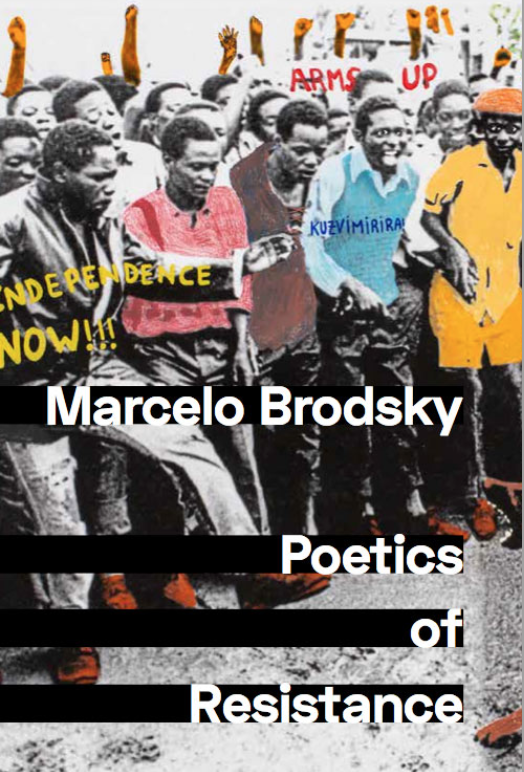
Teatro Colon
224 páginas
La marca editora
336 páginas
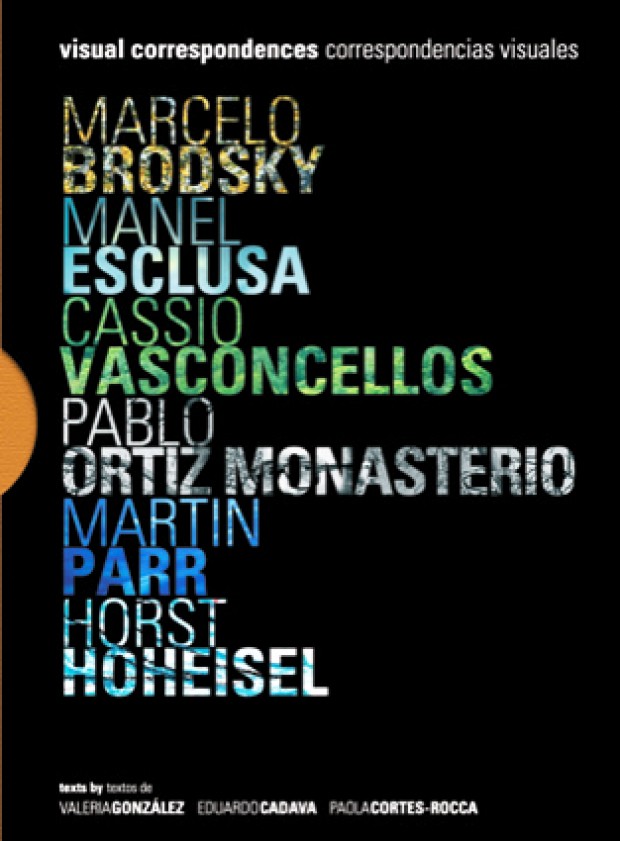
La luminosa editorial
100 páginas
2012
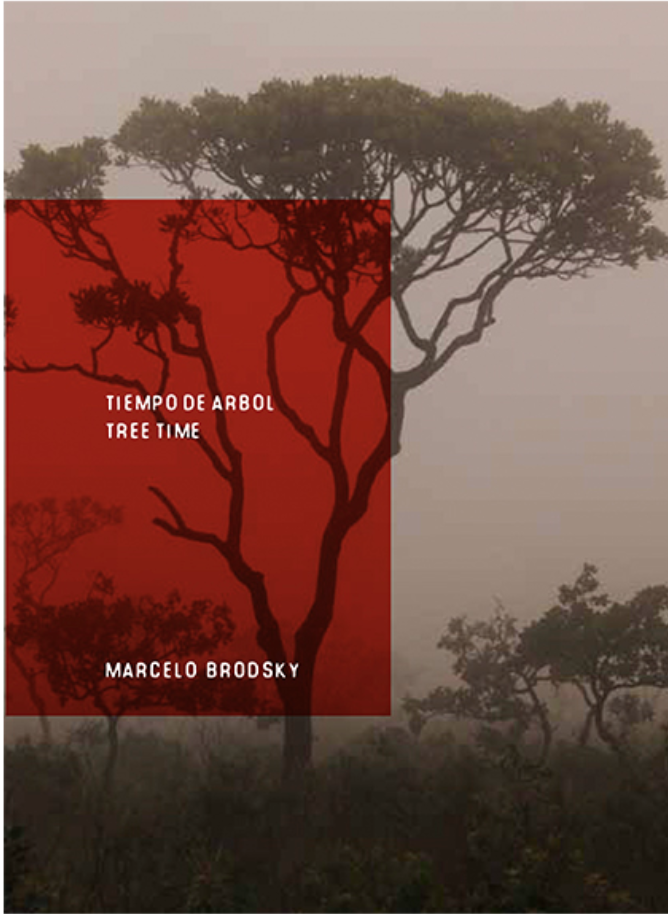
Ilan Stavans y Marcelo Brodsky
La marca editora
144 páginas
2011
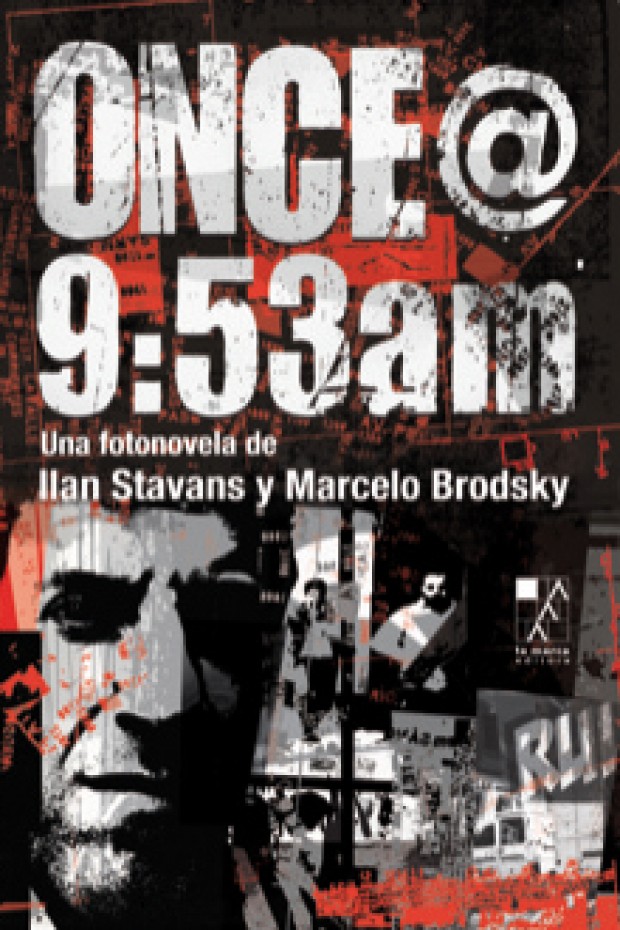
Marcelo Brodsky y Pablo Ortiz Monasterio a
Editorial R.M.
72 páginas
2008
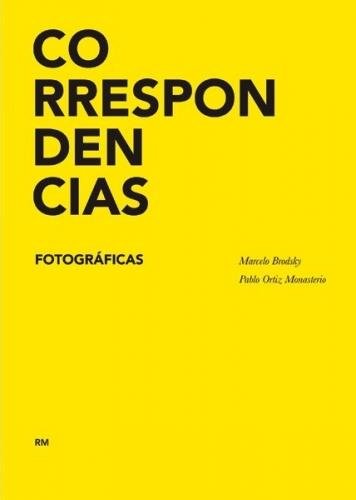
La marca editora
128 páginas
2001
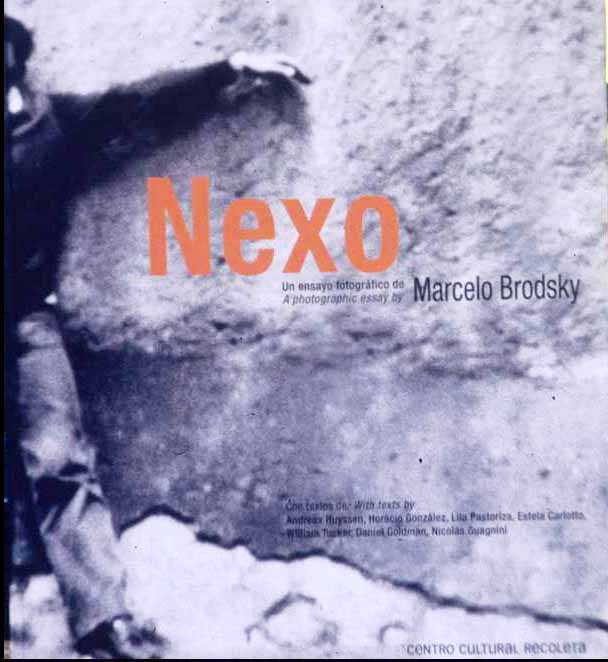
La marca editora
96 páginas
1997